
Coffee grinding unlocks incredible flavor potential, transforming whole beans into a delightful brew․ Mastering grind size is crucial for optimal extraction and a truly satisfying coffee experience․
Freshly ground beans, unlike pre-ground, preserve volatile aromatic compounds, leading to a richer, more nuanced cup․ This guide explores the art and science of coffee grinding․
Why Grind Your Own Coffee?
Grinding your own coffee beans is a transformative step towards a superior coffee experience, far exceeding the convenience of pre-ground options․ The primary reason lies in preserving freshness; whole beans retain their aromatic oils and flavors significantly longer than their ground counterparts․
Once ground, coffee begins to stale rapidly, losing those vital compounds that contribute to a vibrant cup․ By grinding just before brewing, you maximize flavor extraction and enjoy a noticeably richer, more aromatic brew․ It’s a respectable pursuit for any coffee enthusiast!
Furthermore, grinding allows for precise control over grind size, a critical factor directly impacting the brewing process and final taste․ This customization ensures optimal extraction for your chosen brewing method, unlocking the full potential of your beans․
The Impact of Grind Size on Flavor
Grind size profoundly influences the flavor profile of your coffee, dictating how efficiently water extracts soluble compounds from the beans․ A consistent grind is paramount; uneven particles lead to inconsistent extraction, resulting in a muddled, unbalanced taste․
Too fine a grind increases surface area, causing over-extraction and bitterness․ Conversely, a too coarse grind reduces surface area, leading to under-extraction and a sour, weak brew․ The ideal grind size depends entirely on your brewing method․
Finding the sweet spot ensures balanced extraction, highlighting the bean’s inherent characteristics – its sweetness, acidity, and body․ Mastering grind size is therefore not merely a technicality, but a key to unlocking a truly delicious and nuanced cup of coffee․
Understanding Coffee Grind Sizes
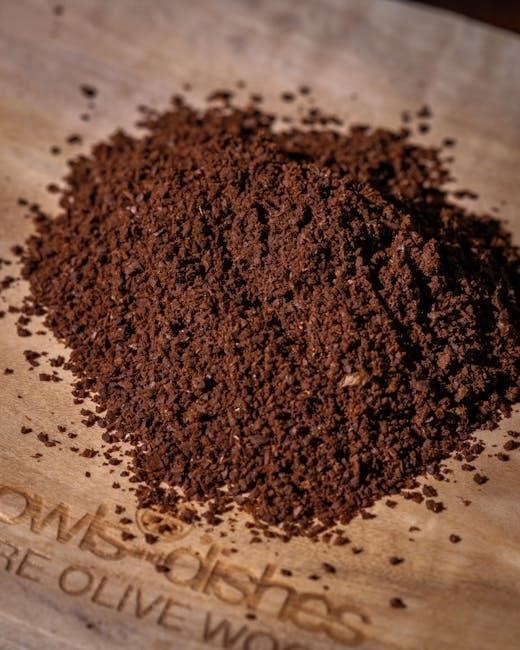
Coffee grind sizes range from extra coarse to Turkish, each impacting extraction rates and flavor․ Selecting the correct size is vital for brewing success․
Extra Coarse Grind
Extra coarse grind resembles peppercorns, being the largest particle size in coffee grinding․ This texture minimizes surface area, resulting in very slow extraction․ It’s primarily used for brewing methods that employ long steep times, like cold brew coffee․
Because of the minimal contact between water and coffee grounds, an extra coarse grind prevents over-extraction and bitterness․ This grind size is ideal for those who prefer a smoother, less intense coffee flavor․ It’s also beneficial for avoiding sediment in the final cup․ Achieving this consistency requires a quality grinder capable of producing uniformly large particles․
Visually, you’ll notice very distinct, chunky pieces when examining an extra coarse grind․
Coarse Grind
Coarse grind is noticeably larger than medium-coarse, resembling sea salt in texture․ It’s a popular choice for brewing methods where the coffee grounds are fully immersed in water for an extended period․ The French press is the quintessential example, but it also works well with certain cold brew systems․
This grind size allows for sufficient extraction without becoming overly bitter or muddy․ The larger particles reduce the amount of fine sediment that passes through the filter․ A coarse grind delivers a full-bodied, flavorful cup with a clean finish․ Achieving consistency is key; uneven particles can lead to inconsistent extraction․
Properly ground, it should feel slightly rough to the touch, not powdery․
Medium-Coarse Grind
Medium-coarse grind sits between the coarse and medium settings, offering a balance for brewing methods needing a longer steep time but desiring more clarity than a French press allows․ It feels slightly smoother than a coarse grind, but still retains some noticeable texture – think of slightly crushed peppercorns․
This grind is versatile, suitable for methods like the Chemex or some automatic drip coffee makers that benefit from a slower extraction․ It minimizes sediment while maximizing flavor, preventing over-extraction that can lead to bitterness․ Achieving a consistent grind is vital for balanced results․
It’s a good starting point for experimentation, allowing you to fine-tune your brew․
Medium Grind
Medium grind is arguably the most popular and versatile setting, often described as resembling beach sand in texture․ It strikes a balance between surface area and extraction time, making it ideal for a wide range of brewing methods․ This consistency allows for a well-rounded flavor profile, avoiding both under-extraction’s sourness and over-extraction’s bitterness․
Automatic drip coffee makers thrive on a medium grind, as do siphon brewers․ It provides sufficient contact time for optimal flavor development without clogging filters․ Achieving uniformity is key; inconsistent particles lead to uneven extraction․
Consider this your “default” setting, adjusting finer or coarser based on taste preferences and brewing equipment․
Medium-Fine Grind
Medium-fine grind occupies a sweet spot between versatility and precision, feeling slightly finer than sand – almost like table salt․ This consistency is favored for brewing methods requiring a bit more extraction time than drip, yet not as long as espresso․ It’s a nuanced setting demanding careful calibration․
Pour-over methods, like Hario V60 or Chemex, often benefit from a medium-fine grind, allowing for controlled extraction and a clean cup․ Aeropress users frequently employ this setting, adjusting based on brew time and desired strength․
Expect a balanced flavor profile with noticeable clarity․ Dialing in this grind size requires experimentation, paying close attention to brew time and taste․
Fine Grind
A fine grind resembles fine sand, noticeably smoother than medium-fine, and is primarily utilized for brewing methods demanding significant resistance and shorter brew times․ This consistency maximizes surface area exposure, facilitating rapid extraction of flavors and oils․
The Moka pot, a stovetop espresso maker, thrives on a fine grind․ It needs enough resistance to build pressure and deliver a concentrated, robust brew․ Some espresso machines also perform well with a fine grind, though dialing in the perfect setting is crucial․
Be cautious – too fine, and you risk over-extraction and bitterness․ Too coarse, and the brew will be weak and sour․ Achieving balance is key with this powerful grind size․
Extra-Fine Grind
An extra-fine grind is incredibly powdery, almost like flour, and represents one of the most challenging grinds to achieve consistently․ It’s significantly finer than a fine grind, demanding a high-quality grinder capable of such precision․ This level of fineness is reserved for specific brewing methods requiring maximum extraction․
Traditionally, this grind is associated with Turkish coffee preparation, where the coffee is simmered directly in a cezve (a small, long-handled pot)․ The extremely fine particles remain suspended in the water, creating a full-bodied, sediment-rich beverage․
Due to its extreme fineness, extra-fine grinds can easily clog filters and create a muddy, unpleasant texture if used with inappropriate brewing methods․ Careful technique and a quality grinder are essential․
Turkish Grind
The Turkish grind is the finest possible coffee grind, resembling a powdery, almost talc-like consistency․ It’s specifically designed for traditional Turkish coffee preparation, brewed in a cezve – a small, long-handled pot – and served unfiltered; Achieving this level of fineness requires a specialized grinder capable of producing incredibly consistent results․
Unlike other brewing methods, the coffee grounds are boiled directly with water and sugar, creating a thick, rich, and intensely flavored beverage․ The grounds settle at the bottom of the cup, leaving a layer of sediment․
Because of its extreme fineness, a Turkish grind is unsuitable for any other brewing method․ It will quickly clog filters and result in an over-extracted, bitter taste․ Precision and a dedicated grinder are paramount․
Coffee Brewing Methods and Grind Size
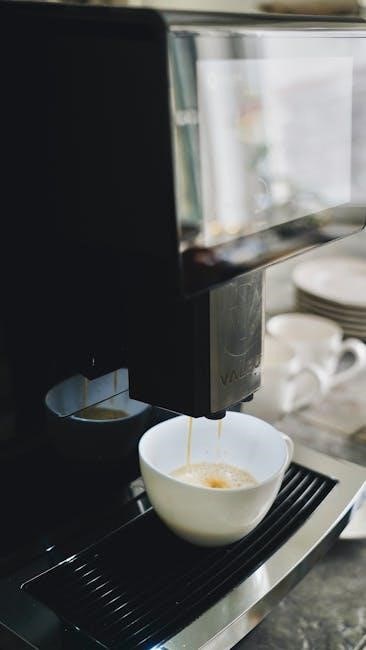
Brewing method dictates the ideal grind size; matching the two is essential for proper extraction․ Different techniques require varying levels of coffee ground fineness․
French Press Grind Size
French Press brewing demands a coarse grind, resembling sea salt in texture․ This is because the French Press utilizes a full immersion brewing method, where coffee grounds steep directly in hot water for an extended period․
A coarser grind minimizes sediment passing through the mesh filter, resulting in a cleaner, less gritty cup․ Finer grinds will over-extract, leading to a bitter and muddy flavor profile․ Aim for a consistent, coarse grind to ensure even extraction and a balanced brew․
If your French Press coffee tastes bitter, try a slightly coarser grind․ Conversely, if it tastes weak or sour, a slightly finer grind might be necessary․ Experimentation is key to finding your perfect French Press grind!
Pour-Over Grind Size
Pour-over brewing, like Hario V60 or Chemex, requires a medium-coarse grind․ This grind size falls between that of French Press and drip coffee, offering a balance between extraction speed and clarity․
The grounds should resemble coarse sand․ A medium-coarse grind allows for sufficient contact time with the water during the pour-over process, extracting the desired flavors without over-extraction․ Too fine a grind will result in a slow drip and a bitter taste, while too coarse will lead to under-extraction and a sour cup․
Adjust your grind based on your pour speed and the resulting taste․ A slower pour may benefit from a slightly coarser grind, and vice versa․
Drip Coffee Maker Grind Size
For most drip coffee makers, a medium grind is the ideal choice․ This consistency resembles granulated sugar and allows for optimal extraction within the typical brewing time of these machines․
A medium grind provides enough surface area for the water to effectively extract the coffee’s flavors, resulting in a balanced and flavorful cup․ If the coffee tastes weak or sour, try a slightly finer grind․ Conversely, if it’s bitter, opt for a coarser setting․
Automatic drip machines generally have a consistent brew time, making grind size a key factor in achieving the perfect cup․ Experiment to find what works best with your specific machine!
Espresso Grind Size
Espresso demands a very fine grind – significantly finer than what’s used for drip coffee․ The texture should be similar to powdered sugar, almost flour-like, but still granular․ This fineness is crucial for creating the necessary resistance when water is forced through the grounds under high pressure․
Achieving the correct espresso grind is often the most challenging aspect of home brewing․ Too coarse, and the espresso will be weak and sour (under-extracted)․ Too fine, and it will be bitter and slow to extract (over-extracted)․
Dialing in your espresso grind requires patience and experimentation․ Small adjustments can make a big difference in the final shot’s quality and flavor profile․
Moka Pot Grind Size
A medium-fine grind is ideal for a Moka pot, falling between the consistency of table salt and fine sand․ It needs to be finer than a pour-over grind, but coarser than espresso․ This allows for sufficient resistance against the steam pressure, ensuring proper extraction without clogging the filter․
Using a grind that’s too fine can lead to excessive pressure buildup, potentially resulting in a bitter, burnt taste and even a dangerous situation; Conversely, a grind that’s too coarse will produce weak, watery coffee lacking in body and flavor․
Experimentation is key to finding the sweet spot for your specific Moka pot and coffee beans․
Types of Coffee Grinders
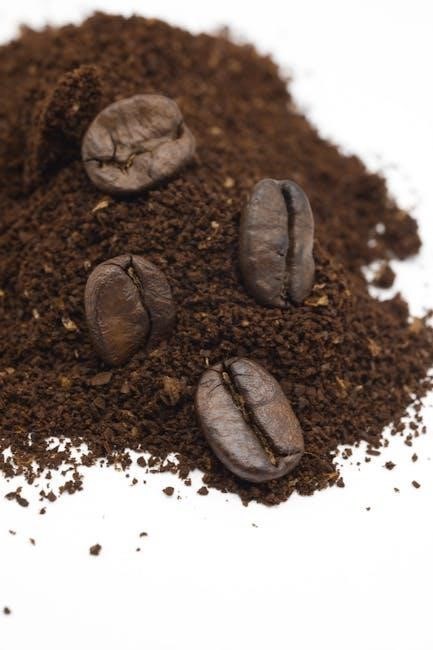
Coffee grinders broadly fall into two categories: burr grinders, offering consistent particle size, and blade grinders, which chop beans unevenly, impacting flavor quality․
Burr Grinders
Burr grinders are celebrated for their ability to produce a remarkably consistent grind, crucial for even extraction and superior coffee flavor․ Unlike blade grinders, which essentially chop the beans, burr grinders crush the beans between two revolving abrasive surfaces – the burrs․
This crushing action minimizes heat generation, preserving the delicate aromatic compounds within the coffee․ There are two primary types of burr grinders: conical and flat․ Both deliver a far more uniform grind than blade grinders, allowing for precise control over the brewing process and ultimately, a better cup of coffee․ Investing in a burr grinder is a significant step towards elevating your home brewing experience․
Consistent particle size ensures that water flows through the grounds evenly, extracting the optimal amount of flavor without bitterness or sourness․
Conical Burr Grinders
Conical burr grinders utilize a cone-shaped burr that rotates inside a ring-shaped burr․ This design typically operates at slower speeds, generating less heat and minimizing flavor loss during the grinding process․ They are often favored for their quieter operation compared to flat burr grinders․
Conical burrs excel at grinding single doses of coffee, reducing retention – the amount of ground coffee left inside the grinder after use․ This is particularly beneficial for those who frequently switch between different beans․ They are generally more affordable than flat burr grinders, making them an excellent entry point into the world of burr grinding․
The conical shape also tends to produce a wider range of particle sizes, which some believe contributes to a more complex flavor profile․
Flat Burr Grinders
Flat burr grinders employ two parallel, ring-shaped burrs that rotate against each other to grind coffee beans․ These grinders generally operate at higher speeds than conical burr grinders, potentially generating more heat, though quality models mitigate this․ They are known for producing a very consistent grind size, with a narrower particle distribution․
This consistency is highly valued by coffee enthusiasts, particularly those focused on espresso, as it allows for precise control over extraction․ Flat burr grinders often deliver a cleaner, brighter cup of coffee due to the uniform particle size․
However, they can be more expensive and may retain more ground coffee within the grinder, requiring more thorough cleaning․
Blade Grinders
Blade grinders, often the most affordable option, utilize a spinning blade – similar to a food processor – to chop coffee beans․ They don’t actually “grind” in the traditional sense; instead, they pulverize the beans․ This method results in an inconsistent grind size, with a mix of large and very fine particles․
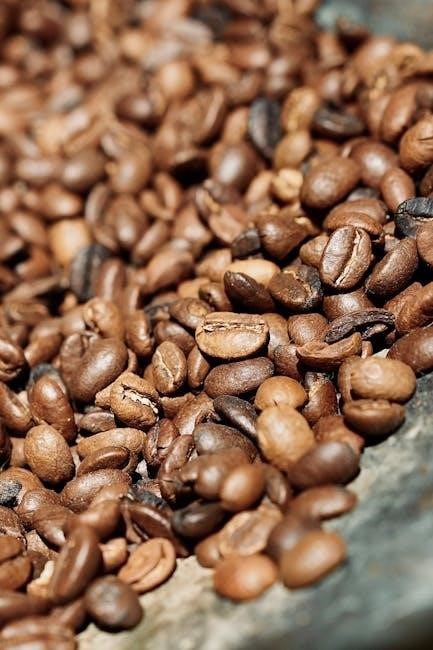
The inconsistency impacts extraction, leading to both under-extraction (sourness) and over-extraction (bitterness) in the same brew․ While convenient and inexpensive, blade grinders are generally not recommended for serious coffee lovers seeking optimal flavor․
They are best suited for those prioritizing convenience over precision, or for grinding spices and other dry ingredients․
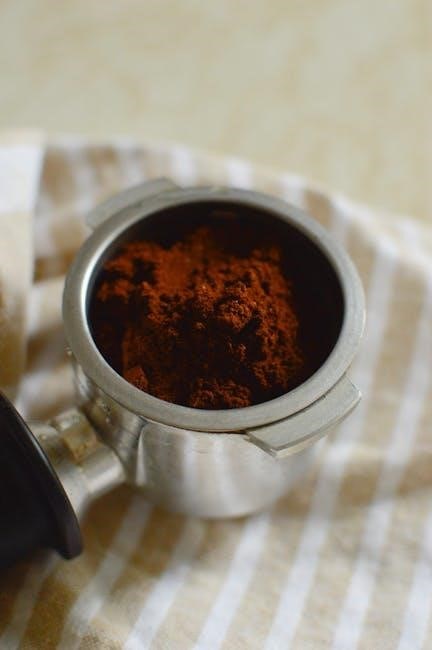
Adjusting Your Grind Size
Dialing in your grind is key! Adjust based on taste; finer for slow brewing, coarser for faster methods․ Experiment to avoid bitter or sour results․
Identifying Under-Extraction
Under-extraction occurs when coffee grounds don’t release enough flavor compounds during brewing․ This often results in a sour, acidic, or salty taste profile, lacking sweetness and body․ Visually, the coffee bed might appear pale and unevenly saturated during brewing, indicating insufficient contact between water and coffee․
If you consistently experience these characteristics, your grind is likely too coarse․ Coarser grounds offer less surface area for extraction, leading to the aforementioned issues․ Adjust your grinder to a finer setting in small increments, brewing a test cup after each adjustment․ Remember, a slight change can significantly impact the final flavor․
Consider brew time as well; if it’s significantly shorter than recommended for your method, a finer grind is almost certainly needed․
Identifying Over-Extraction
Over-extraction happens when too many compounds are pulled from the coffee grounds, resulting in a bitter, harsh, and often empty taste․ The coffee may lack brightness and complexity, presenting a generally unpleasant flavor profile․ Visually, the brewed coffee can appear dark and murky, and the coffee bed may be overly saturated and disturbed․
If your coffee consistently tastes bitter, your grind is likely too fine․ Finer grounds expose more surface area, leading to excessive extraction․ Adjust your grinder to a coarser setting, again in small increments, and evaluate each brew․
Longer brew times also contribute to over-extraction, so consider shortening the brewing process alongside adjusting the grind size․
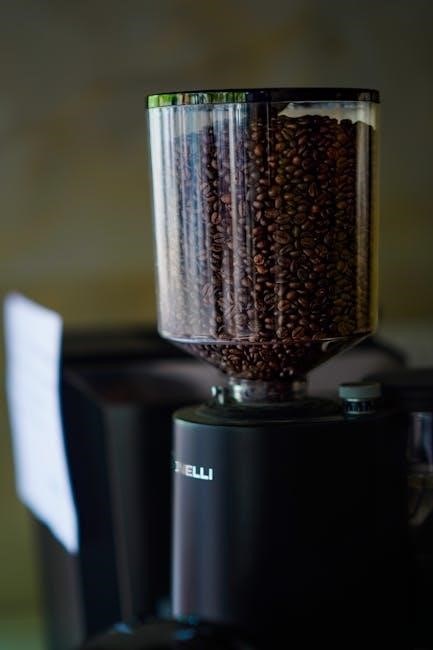
Grind Size Charts & Resources
Grind size charts offer a visual guide, while online resources like Coffee Chronicler provide detailed settings for various grinders and brewing methods, ensuring optimal results․
Using a Grind Size Chart
Grind size charts are invaluable tools for coffee enthusiasts, visually representing the spectrum from extra coarse to Turkish grind․ These charts typically correlate grind size with specific brewing methods, offering a starting point for experimentation․
When utilizing a chart, locate your chosen brewing method – French Press, Pour-Over, Espresso, etc․ – and observe the recommended grind size․ Charts often include visual comparisons, like sand, table salt, or flour, to help you gauge the consistency․
Remember that charts provide guidelines, not absolute rules․ Factors like bean density and grinder type influence the final result․ Start with the suggested setting and adjust based on taste, observing for under or over-extraction․ Consistent use and note-taking will refine your understanding and yield the perfect cup․
Online Resources for Grind Size Guides
Numerous online resources offer comprehensive coffee grind size guides, expanding beyond basic charts․ Websites like Coffee Chronicler provide detailed comparisons and grinder-specific recommendations, aiding in precise adjustments․
Many coffee equipment retailers and roasters also feature grind size guides tailored to their products and bean profiles; These resources often include videos demonstrating visual grind consistency, enhancing understanding․
Online forums and communities dedicated to coffee brewing are excellent sources of collective knowledge․ Experienced brewers share their settings and insights, offering personalized advice․ Remember to consider the source and experiment to find what works best for your equipment and palate․ Utilizing multiple resources ensures a well-rounded approach․

Maintaining Your Coffee Grinder
Regular cleaning is vital for optimal performance and longevity․ Removing coffee oils and grounds prevents clogging and ensures consistent grind size and flavor․
Cleaning Your Burr Grinder
Burr grinders, prized for their consistency, require diligent cleaning to maintain peak performance․ Begin by unplugging the grinder! Regularly disassemble removable parts – hopper, burrs, and grounds container – and wash them with warm, soapy water․ Avoid abrasive cleaners that could damage the burrs․
For the burrs themselves, a dedicated grinder cleaning brush is invaluable for removing stubborn coffee residue․ Some grinders allow for burr removal; consult your manual․ Periodically, use grinder cleaning tablets or rice (in small quantities) to absorb oils and dislodge fine particles․
Wipe down the grinder’s exterior with a damp cloth․ Reassemble carefully, ensuring all parts are dry before use․ Consistent cleaning prevents buildup, preserving flavor and extending the grinder’s lifespan․
Cleaning Your Blade Grinder
Blade grinders, while simpler in design, still benefit from regular cleaning․ Always unplug the grinder before beginning! Start by emptying any remaining grounds․ A vacuum cleaner with a brush attachment can effectively remove loose particles from the grinding chamber․
For a deeper clean, use a slightly damp (not wet!) cloth to wipe down the blades and interior․ Avoid immersing the grinder in water, as this can damage the motor․ A soft brush can help dislodge stubborn coffee oils․
Some users recommend using uncooked rice – pulsed briefly – to absorb oils and loosen residue, but ensure all rice is removed afterward․ Wipe the exterior with a damp cloth․ Regular cleaning maintains flavor and prevents motor strain․
Leave a Reply