Watch Size Guide for Female Wrists: A Comprehensive Overview (02/04/2026 23:25:21)
Finding the perfect watch involves understanding wrist size, case diameter, and strap width; this guide simplifies the process for women, ensuring both style and comfort.
Understanding Watch Size Terminology
Navigating the world of watches requires understanding specific terms related to size and fit. Case size, measured in millimeters (mm), refers to the diameter of the watch housing. This is the primary measurement used to determine if a watch will appear proportional on your wrist. Lug-to-lug measurement, crucial for comfort, indicates the distance between the furthest points where the strap attaches to the case – ensuring the lugs don’t overhang your wrist.
Watch thickness, or height, impacts how the watch sits on your wrist and its overall profile. Strap width, measured in millimeters, refers to the width of the strap where it connects to the watch case; it’s important for aesthetic balance and comfort. The bezel, the ring around the watch face, can add to the overall perceived size. Understanding these terms empowers you to make informed decisions when selecting a watch that complements your wrist and style.
Average Female Wrist Size
Determining the average female wrist size is a crucial starting point for selecting a properly proportioned watch. Generally, most women fall within a wrist circumference range of 15cm to 16cm (approximately 5.9 to 6.3 inches), or 150mm to 160mm. However, this is just an average, and individual wrist sizes vary considerably.
Factors like height, body frame, and genetics influence wrist size. Some women have wrists smaller than 5.5 inches, while others may have wrists exceeding 7 inches. It’s vital to remember that averages are guidelines, not strict rules. A watch that looks fantastic on one woman might overwhelm another. Accurate measurement, discussed later, is key to finding the ideal fit, regardless of whether your wrist is above or below the average range. Considering individual proportions is paramount for a comfortable and stylish look.
Measuring Your Wrist for a Watch
Accurately measuring your wrist is the foundation of finding the perfect watch size. Use a flexible measuring tape – a fabric one is ideal for comfort. Wrap the tape snugly around your wrist where you would normally wear a watch. Ensure the tape is neither too tight, constricting circulation, nor too loose, allowing for gaps.
Record the measurement in millimeters (mm) or inches. If using a ruler, mark the tape at the overlap point and then measure the distance. For the most accurate result, have a friend assist you. Repeat the measurement a few times to confirm consistency. Remember to measure your non-dominant wrist, as it’s typically slightly smaller. This ensures a comfortable fit without feeling restrictive. This measurement will be your wrist circumference, essential for referencing size charts.
Tools Needed for Accurate Measurement
While a precise watch fit doesn’t require extensive equipment, a few key tools significantly improve accuracy. The most crucial is a flexible measuring tape, preferably fabric or vinyl, as these conform comfortably to the wrist’s shape. Avoid metal tapes, which can be rigid and provide inaccurate readings. A standard ruler or measuring stick can be used as an alternative, though it requires marking a flexible material like string or paper.
A pen or marker is helpful for marking the measuring tape when using a ruler. Having a mirror allows you to visually confirm the tape’s placement around your wrist. Finally, a friend’s assistance is invaluable for ensuring a snug, yet comfortable, measurement, especially if you find it difficult to reach and read the tape yourself. These simple tools guarantee a reliable wrist circumference measurement.
Converting Wrist Circumference to Watch Size
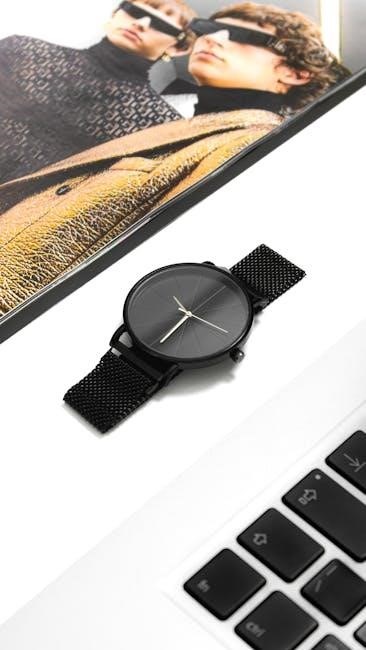
Once you’ve accurately measured your wrist circumference, converting this measurement to an appropriate watch size is crucial. Generally, a good starting point is to add 10-20mm to your wrist circumference to determine the ideal watch case diameter. For example, a 6-inch (152mm) wrist would suggest a watch case size between 162mm and 172mm, translating to roughly 38-41mm.
However, this is a guideline, and personal preference plays a significant role. Smaller wrists often benefit from proportionally smaller cases (30-36mm), while larger wrists can accommodate larger cases (38-42mm or even slightly larger). Remember to consider lug-to-lug measurements for comfort. Online charts often provide specific recommendations based on wrist size, offering a helpful reference point for finding your perfect fit.
Watch Case Size Recommendations by Wrist Size
Determining the ideal watch case size hinges on your wrist’s circumference. For wrists measuring 5.5 ౼ 6 inches (140mm ౼ 152mm), cases between 28mm and 34mm generally offer the most balanced and comfortable appearance. A 6 ー 6.5 inch (152mm ー 165mm) wrist typically suits case sizes ranging from 34mm to 38mm, providing a modern yet proportionate look.
If your wrist measures 6.5 ー 7 inches (165mm ー 178mm), you can confidently explore case sizes from 38mm to 40mm, or even slightly larger depending on your style preference. These recommendations are starting points; consider your hand size and overall body frame for a truly personalized fit. Don’t hesitate to try on various sizes to discover what feels and looks best on your wrist.
Wrist Size 5.5 ౼ 6 Inches (140mm ー 152mm)
If your wrist measures between 5.5 and 6 inches, you have a petite wrist size, and selecting a proportionally sized watch is crucial for comfort and aesthetics. We recommend focusing on watch case diameters ranging from 26mm to 34mm. Smaller cases, like those around 28mm-30mm, offer a delicate and classic appearance, ideal for everyday wear and formal occasions.
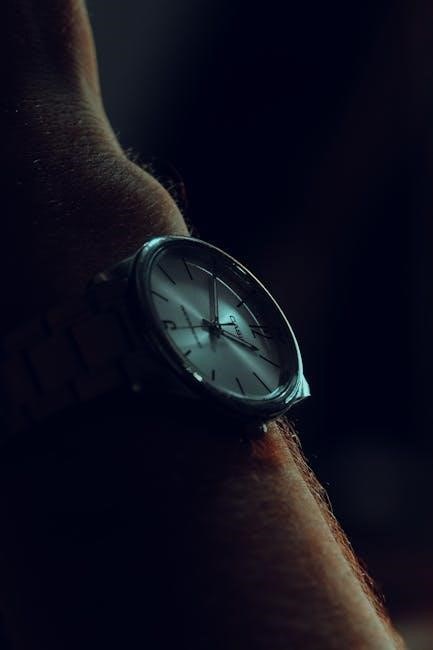
Avoid oversized watches, as they can appear bulky and unbalanced on a smaller wrist. Consider watches with thinner profiles and narrower straps to maintain a streamlined look. Leather or flexible metal bracelets are excellent choices for comfort. Prioritize trying on watches within this size range to ensure a secure and comfortable fit that complements your wrist.
Wrist Size 6 ౼ 6.5 Inches (152mm ౼ 165mm)
For wrists measuring between 6 and 6.5 inches, you have a medium wrist size, offering greater versatility in watch selection. A watch case diameter of 34mm to 38mm generally provides a balanced and proportional look. This range allows for both classic and more modern styles, accommodating a wider variety of dial designs and features.
You can experiment with slightly larger cases, up to 38mm, depending on your personal preference and the overall watch style. Consider the lug-to-lug measurement to ensure the watch doesn’t overhang your wrist. Strap widths of 16mm to 18mm typically complement this wrist size. Don’t hesitate to try on different styles to find what feels most comfortable and visually appealing.
Wrist Size 6.5 ౼ 7 Inches (165mm ー 178mm)
If your wrist measures between 6.5 and 7 inches, you possess a larger-than-average female wrist, opening up options for bolder watch styles. Case diameters ranging from 36mm to 40mm typically appear well-proportioned and stylish. You can confidently explore larger watch faces and more substantial designs without overwhelming your wrist.
Watches with a diameter of 40mm can be particularly flattering, creating a statement look. Pay attention to the lug-to-lug distance to ensure a comfortable fit. Strap widths of 18mm to 20mm are generally suitable for this wrist size. Don’t be afraid to experiment with different styles and materials to find a watch that reflects your personality and complements your overall aesthetic.
Watch Case Diameter: The Key Measurement
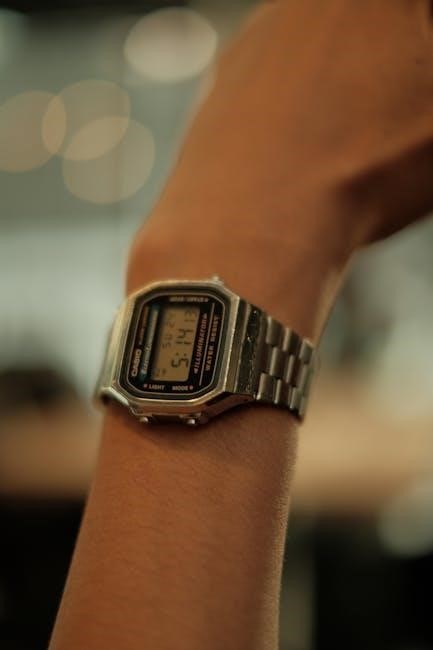
The watch case diameter, measured horizontally across the watch face, is arguably the most crucial factor in determining fit and aesthetic appeal. It significantly impacts how a watch looks on your wrist and overall comfort. For women, case diameters generally range from 26mm to 40mm, though personal preference plays a large role.
Smaller diameters (26mm-34mm) offer a delicate and classic look, while larger sizes (36mm-40mm) provide a more modern and bolder statement. It’s essential to consider your wrist size alongside the case diameter; a larger wrist can handle a larger case, and vice versa. Remember that case diameter doesn’t tell the whole story – lug-to-lug distance and case shape also contribute to the overall fit and feel.
Lug-to-Lug Measurement: Ensuring Comfort
Beyond case diameter, the lug-to-lug measurement – the distance between the furthest points where the watch strap attaches to the case – is vital for comfort. This measurement dictates whether the watch “overhangs” your wrist, potentially causing discomfort or an awkward appearance. A watch that extends beyond your wrist’s edges feels bulky and can rub against your skin.
Ideally, the lug-to-lug distance should be equal to or slightly smaller than your wrist circumference. For women with smaller wrists, prioritizing a shorter lug-to-lug measurement is particularly important. Even if a watch has a seemingly appropriate case diameter, a long lug-to-lug distance can render it uncomfortable. Always check this specification when considering a purchase, as it’s often overlooked but significantly impacts wearability.
Watch Thickness and its Impact on Fit
Watch thickness, often measured in millimeters, significantly impacts how a watch feels on the wrist, especially for women. A thicker watch can feel heavy and cumbersome, potentially snagging on sleeves or feeling unbalanced. While a bolder profile can be stylish, prioritizing comfort is crucial for everyday wear.
Generally, women’s watches range from 6mm to 12mm in thickness. Slimmer profiles (6-8mm) offer a more delicate and refined aesthetic, ideal for dress watches or those with smaller wrists. Watches exceeding 10mm can appear more substantial and may not be suitable for all wrist sizes. Consider your lifestyle and clothing style; a thicker watch might be appropriate for more casual outfits, while a slimmer option complements formal attire. Always factor thickness alongside case diameter and lug-to-lug for a balanced fit.
Strap Width Considerations
Strap width is a frequently overlooked, yet vital, aspect of watch fit and aesthetics. It refers to the measurement where the strap connects to the watch case, typically in millimeters. A proportionate strap width ensures visual harmony and comfort; a strap that’s too wide or narrow can appear awkward and feel unstable on the wrist.
For women’s watches, strap widths generally range from 12mm to 20mm. Smaller case sizes (under 34mm) usually pair well with narrower straps (12-16mm), while larger cases (36mm and above) benefit from wider straps (16-20mm). The lug width of the watch case dictates the appropriate strap size. Ensure the strap seamlessly integrates with the lugs without excessive gaps or overhang. Consider strap material; leather straps often require a precise fit, while metal bracelets offer more adjustability.
Popular Watch Case Sizes for Women
Determining popular case sizes for women’s watches involves balancing style, functionality, and wrist size. Traditionally, smaller cases were favored, but modern trends showcase a wider range; A 30mm ౼ 34mm case is considered delicate and classic, ideal for smaller wrists or those preferring a subtle look. These sizes often exude elegance and pair well with dressier outfits.
However, 36mm ౼ 38mm cases are increasingly popular, offering a versatile and modern aesthetic. They provide greater visibility of the dial and a bolder presence without being overwhelming. These sizes suit a broader range of wrist sizes and styles, transitioning seamlessly from casual to formal wear. Larger sizes, while available, are less common and typically favored by those who prefer a statement piece. Ultimately, the “best” size depends on individual preference and wrist dimensions.
30mm ౼ 34mm Cases: Delicate and Classic
Watches within the 30mm to 34mm range embody a timeless elegance, often favored for their understated sophistication. These case sizes are particularly well-suited for women with smaller wrists – typically under 6 inches – or those who prefer a more delicate aesthetic. They offer a refined appearance, reminiscent of vintage styles, and complement a variety of outfits, especially dressier ensembles.
The smaller profile ensures comfort and avoids appearing bulky on a slender wrist. While the dial is smaller, designs often prioritize clarity and legibility. These watches frequently feature minimalist designs, focusing on clean lines and subtle detailing. They are an excellent choice for individuals seeking a classic, feminine timepiece that doesn’t overwhelm their wrist, offering a subtle yet stylish statement.
36mm ౼ 38mm Cases: Versatile and Modern
Watches ranging from 36mm to 38mm represent a sweet spot for many women, offering a blend of contemporary style and practicality. These sizes are incredibly versatile, flattering a wider range of wrist sizes – generally between 6 and 7 inches – and adapting seamlessly to both casual and formal occasions. They strike a balance between being noticeable without being overpowering, making them a popular choice for everyday wear.
The slightly larger dial allows for more intricate designs and features, such as chronographs or date displays, while still maintaining a feminine appeal. This size is often favored by those who appreciate a modern aesthetic and want a watch that makes a statement without being overly ostentatious. They pair well with various strap materials, from leather to metal bracelets, further enhancing their adaptability and overall stylish presence.
Watch Style and Size Correlation
The style of a watch significantly influences the ideal case size. Delicate, classic designs – think vintage-inspired pieces or minimalist dress watches – generally suit smaller cases, around 28mm to 34mm, emphasizing elegance and subtlety. More robust styles, like sporty chronographs or dive watches, can handle larger sizes, typically 36mm to 40mm, projecting confidence and functionality.
A bolder, modern aesthetic often pairs well with larger cases, creating a statement piece. Conversely, a dainty bracelet or intricate dial design might be lost on an oversized watch. Considering the overall aesthetic is crucial; a large, imposing watch on a very small wrist can appear unbalanced, while a tiny watch on a larger wrist might seem insignificant. Ultimately, the goal is harmonious proportion, where the watch complements, rather than overwhelms, the wearer’s style and wrist size.
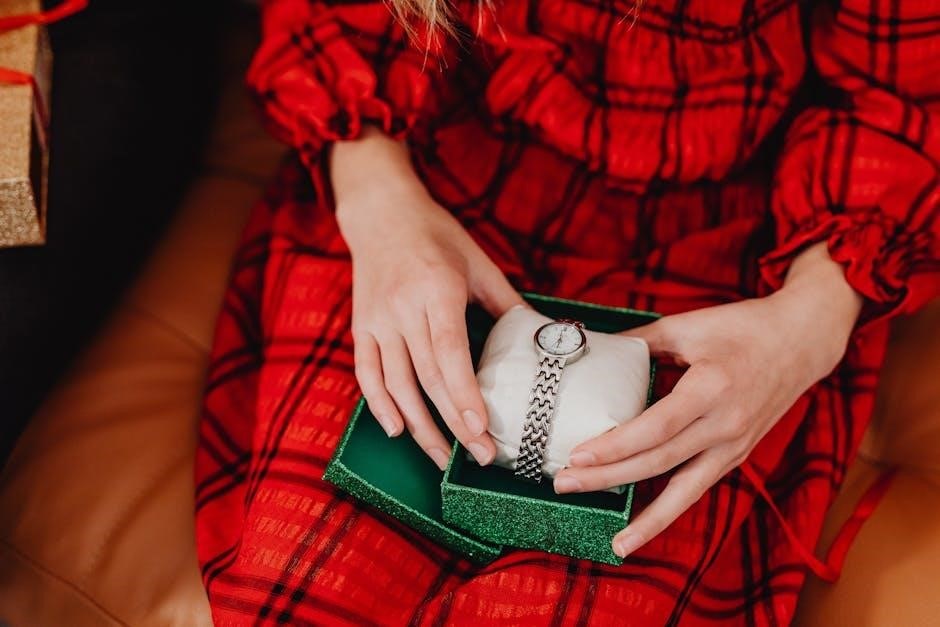
The Role of Bezel Size in Overall Watch Appearance
The bezel, the ring surrounding the watch face, profoundly impacts its perceived size and aesthetic. A larger bezel can make a watch appear significantly bigger, even if the case diameter is relatively modest. Conversely, a slim bezel creates a cleaner, more streamlined look, making the dial seem more expansive. For women with smaller wrists, a watch with a thinner bezel is often more flattering, preventing the watch from appearing bulky.
Bezel material and design also play a role. A sparkling bezel with crystals or gemstones adds visual weight, potentially making the watch appear larger. A simple, polished bezel offers a more understated appearance. When considering a watch with a rotating bezel – common in dive watches – remember that this feature adds to the overall bulk. Ultimately, the bezel’s size and style should complement both the case size and the wearer’s personal preference, contributing to a balanced and harmonious look.
Trying on Watches: Best Practices
When trying on watches, simulate your daily activities. Flex your wrist to ensure the watch doesn’t pinch or feel restrictive. Pay attention to how the watch feels under long sleeves, as this is a common wearing scenario. Don’t solely focus on aesthetics; comfort is paramount. If possible, try on watches at the end of the day when your wrists might be slightly swollen for a more accurate fit.
Consider the strap material. Leather straps often require a break-in period, while metal bracelets can be adjusted for a precise fit. Observe how the watch looks from different angles and in various lighting conditions. Take photos to compare options later. Don’t hesitate to ask a salesperson for assistance with strap adjustments or to try different sizes. A well-fitting watch should feel like an extension of your wrist, not a cumbersome accessory.
Adjusting Watch Straps for a Perfect Fit
Proper strap adjustment is crucial for comfort and security. For watches with buckle closures, ensure the strap isn’t too tight, restricting circulation, or too loose, risking slippage. Leather straps often have pre-punched holes; select the one that provides a snug, yet comfortable fit. Metal bracelets typically require professional resizing, removing or adding links to achieve the ideal length.
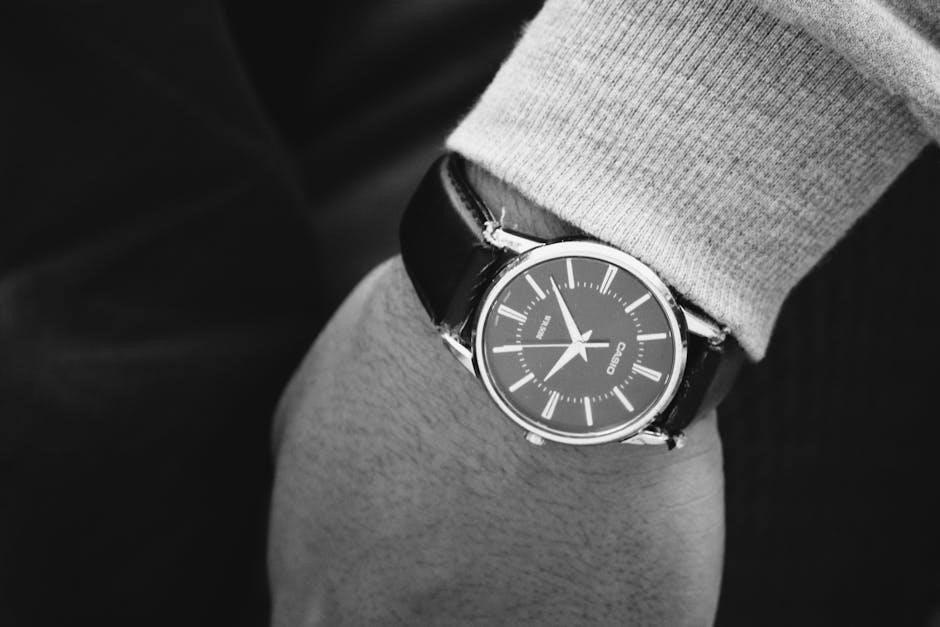
If adjusting yourself, use a spring bar tool carefully to avoid scratching the watch or damaging the strap. Ensure the watch sits securely on your wrist without rotating. A good rule of thumb is to be able to slide one finger comfortably under the strap. Regularly check the strap’s tightness, as it can loosen with wear. Don’t be afraid to seek professional help if you’re unsure about adjusting the strap yourself – a proper fit enhances both comfort and the watch’s longevity.
Online Watch Size Charts and Resources
Numerous online resources offer valuable assistance in determining your ideal watch size. Many watch retailers provide detailed size guides, often including printable wrist measurement templates to ensure accuracy. Websites dedicated to watch enthusiasts frequently host comprehensive charts correlating wrist circumference with recommended case diameters;
Utilizing these tools can significantly simplify the selection process, especially when purchasing online where trying on isn’t possible. Look for resources that offer guidance specific to women’s wrist sizes, as general charts may not always be accurate. Remember to cross-reference information from multiple sources for a more reliable assessment. Some brands even offer virtual try-on features, allowing you to visualize how different watch sizes will appear on your wrist. Always prioritize resources from reputable watch retailers or established watch communities.
Considering Your Body Frame and Watch Size
Beyond wrist circumference, your overall body frame plays a crucial role in selecting a proportionate watch size. A petite frame generally pairs well with smaller cases – 26mm to 34mm – to maintain visual balance. Conversely, a larger frame can comfortably accommodate larger watches, such as those ranging from 36mm to 40mm or even slightly larger, without appearing overwhelming.
Think of it as creating harmony between your wrist and the watch. A dainty watch on a larger wrist might look lost, while an oversized watch on a smaller wrist can appear disproportionate. Consider your height and build; a taller woman might prefer a slightly larger watch than a shorter woman with a similar wrist size. Ultimately, the goal is to choose a watch that complements your physique and enhances your personal style, creating a cohesive and aesthetically pleasing look.
Common Mistakes to Avoid When Choosing a Watch Size
One frequent error is solely focusing on trends without considering personal wrist size. Just because a larger watch is fashionable doesn’t mean it will suit everyone. Another mistake is inaccurately measuring your wrist; ensure you use a flexible measuring tape and don’t pull it too tight.
Ignoring lug-to-lug length is also problematic, as this measurement impacts comfort. A watch with long lugs can extend beyond your wrist, causing discomfort. Furthermore, dismissing strap width can lead to an unbalanced appearance. Finally, avoiding trying on watches before purchasing is a significant oversight; sizes can vary between brands and styles; Prioritize fit and proportion over brand name or price, ensuring the watch feels comfortable and looks harmonious with your wrist.
Where to Find Reliable Watch Sizing Information
For accurate guidance, begin with reputable watch retailers’ websites, many of which offer detailed size charts and virtual try-on tools. Watch blogs and forums dedicated to horology often feature comprehensive sizing guides and user reviews, providing real-world perspectives.
Manufacturer websites are excellent resources, offering specific dimensions for their models. Look for articles from jewelry experts or fashion publications that discuss watch sizing for different wrist types. Avoid relying solely on generalized sizing charts; individual preferences vary. Utilize printable wrist-sizing templates available online to determine your precise measurements. Finally, consider visiting a local jeweler for a professional fitting and personalized recommendations, ensuring a comfortable and stylish choice.
Leave a Reply