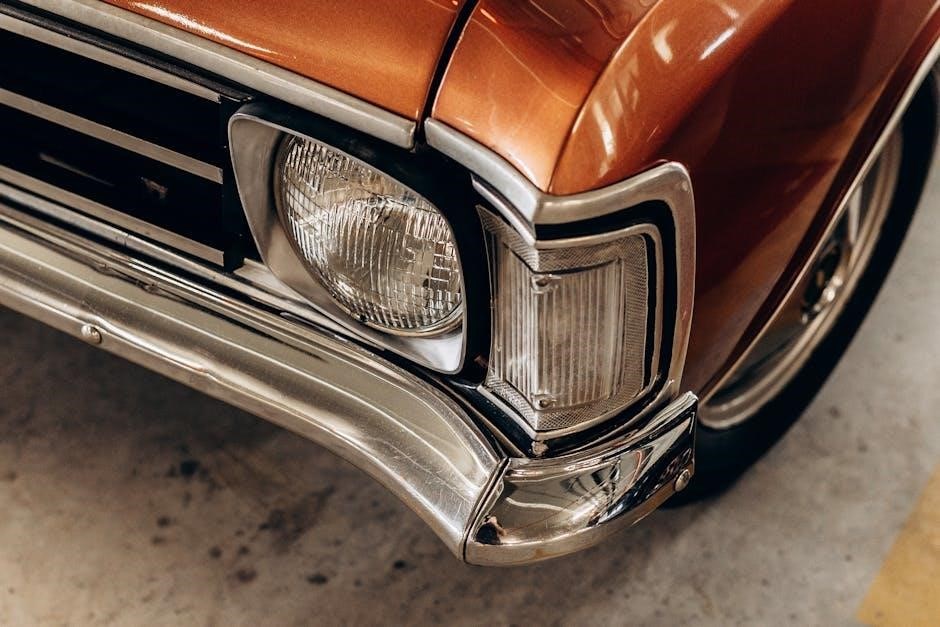
Navigating the world of automotive lighting requires understanding various bulb types, from sealed beams to advanced LEDs, ensuring optimal visibility and safety on the road.
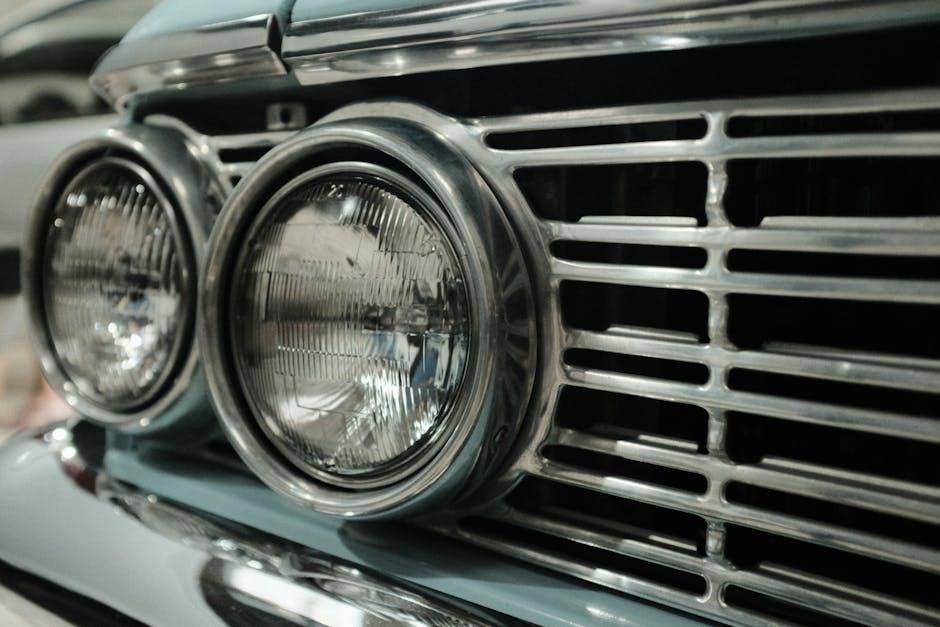
Car headlight systems are crucial for safe driving, providing illumination for visibility during nighttime or low-light conditions. Historically, sealed beam headlights were standard, evolving into halogen headlights offering brighter output. The introduction of HID (High-Intensity Discharge) headlights marked a significant leap in brightness and efficiency, followed by the even more advanced LED (Light-Emitting Diode) technology.
Modern vehicles increasingly feature adaptive headlight systems, dynamically adjusting beam direction based on steering and speed. Understanding these systems involves recognizing different bulb types – H1, H4, H7, 9005, and more – each with specific applications. Proper functionality relies on correct brightness (lumens) and color temperature (Kelvin), impacting visibility and driver comfort. Regular inspection and maintenance are vital, as failing headlights compromise safety. The future promises further innovations in headlight technology, enhancing both performance and energy efficiency.
Types of Car Headlight Bulbs
Sealed beam headlights were an early all-in-one unit, containing the bulb and reflector. Halogen headlights followed, utilizing a tungsten filament and halogen gas for increased brightness and lifespan compared to their predecessors. HID (High-Intensity Discharge) headlights employ xenon gas, producing a significantly brighter and whiter light, requiring ballasts for operation.
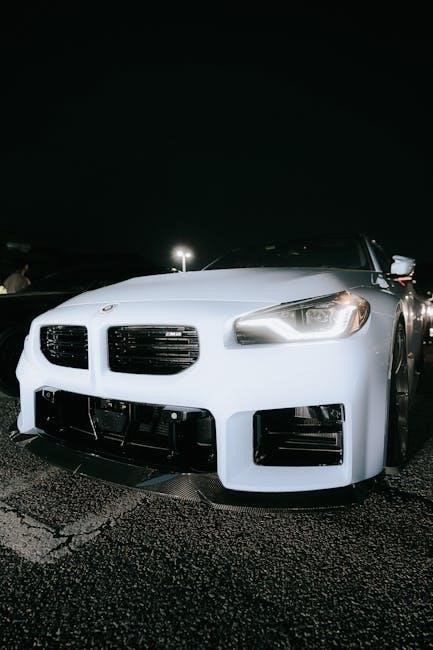
Currently, LED (Light-Emitting Diode) headlights are gaining prominence, offering exceptional brightness, energy efficiency, and longevity. These bulbs often feature innovative designs and superior lighting capabilities; Adaptive headlight systems integrate these technologies, adjusting beam patterns for optimal visibility. Choosing the right bulb depends on vehicle compatibility and desired performance, with options like H1, H4, H7, and 9005 available. Super bright LED options, utilizing aviation aluminum, are becoming increasingly popular for their enhanced illumination.
Sealed Beam Headlights
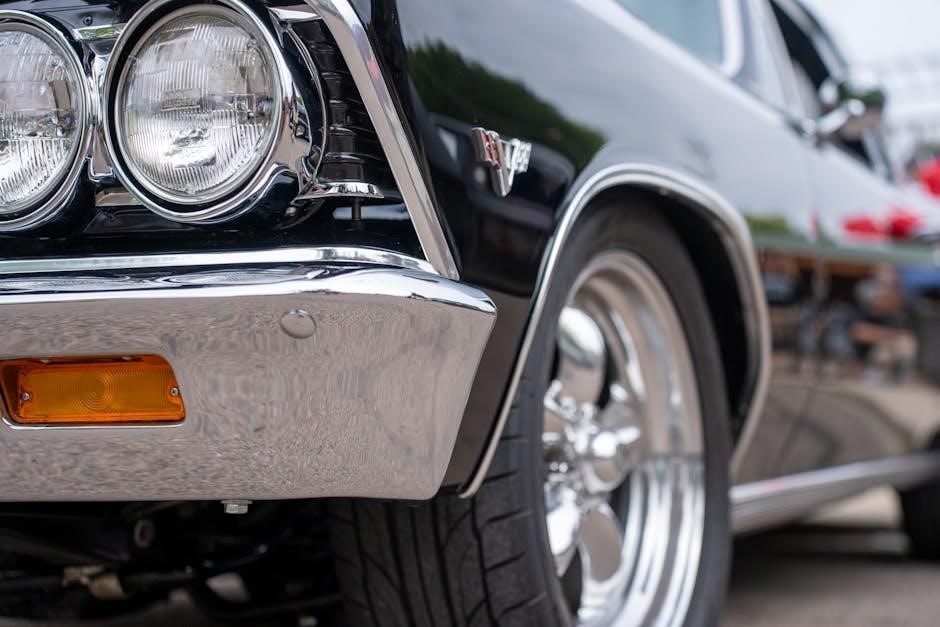
Sealed beam headlights represent a historical cornerstone in automotive lighting, functioning as a self-contained unit. These bulbs encapsulate the filament, reflector, and lens within a single glass enclosure, simplifying design and maintenance. Popular in older vehicles, they offered a relatively inexpensive and straightforward lighting solution.
However, sealed beam technology is less efficient than modern alternatives. They produce a warmer, less intense light compared to halogens, HIDs, or LEDs. Replacement involves swapping the entire unit, rather than just the bulb itself. While still found in some classic cars and specific applications, sealed beams are largely superseded by more advanced headlight systems offering superior brightness, beam control, and longevity. Their simplicity remains a notable characteristic.
Halogen Headlights
Halogen headlights emerged as a significant improvement over sealed beam technology, becoming a standard for many years. They utilize a tungsten filament encased in a quartz bulb filled with halogen gas. This gas allows the filament to burn brighter and last longer than traditional incandescent bulbs. Halogen bulbs offer a whiter, more focused light output, enhancing visibility.
While more efficient than sealed beams, halogens still generate considerable heat and have a relatively shorter lifespan compared to newer technologies like LEDs. They are relatively inexpensive and easy to replace, making them a popular choice for many vehicle owners. However, their lower efficiency means they consume more power and produce more heat than alternatives. Upgrading to halogen bulbs can provide a noticeable improvement in brightness over older sealed beam systems.
HID (High-Intensity Discharge) Headlights
HID headlights, also known as Xenon headlights, represent a leap forward in automotive lighting technology. Unlike halogen bulbs, HIDs don’t use a filament; instead, they create light by passing an electrical arc through xenon gas. This process generates a significantly brighter and more efficient light output. HIDs offer a distinctively cool, bluish-white light, improving visibility, especially at night.
However, HIDs require a ballast to regulate the electrical current and initiate the arc. They also typically produce more glare than halogen bulbs, necessitating automatic leveling systems and washers to ensure safe operation. While offering superior brightness and longevity compared to halogens, HIDs are more expensive and complex to install. They were a premium feature before the widespread adoption of LED technology.
LED (Light-Emitting Diode) Headlights
LED headlights are rapidly becoming the dominant force in automotive lighting, offering numerous advantages over traditional technologies. LEDs are incredibly energy-efficient, consuming significantly less power than halogen or HID bulbs, and boasting an exceptionally long lifespan – often lasting tens of thousands of hours. They produce a bright, crisp light that can be precisely focused, enhancing visibility and reducing glare.
LEDs also offer design flexibility, allowing for unique and innovative headlight shapes. Modern vehicles frequently incorporate complex LED light signatures. While initially more expensive, the cost of LEDs has decreased substantially. “Super Bright LED Headlight Bulbs” are readily available, promising substantial brightness increases. However, proper heat management is crucial for LED longevity, often requiring heat sinks or fans.
Understanding Headlight Bulb Numbers (H1, H4, H7, etc.)
Headlight bulb numbers aren’t random; they represent specific bulb types and fitting standards. These codes, like H1, H4, H7, 9005, and 9006, dictate the bulb’s physical size, connector type, and light emission characteristics. “Car Bulb Types 101” guides emphasize the importance of using the correct bulb for your vehicle.
The ‘H’ series (H1, H2, H3, H4, H7, H8, H9, H11) are widely used in many vehicles. Numbers indicate wattage and filament configuration. For example, an H4 bulb is a dual-filament bulb providing both high and low beam functionality. Numerical codes like 9005 and 9006 are common in North American vehicles. Always consult your vehicle’s owner’s manual or a bulb compatibility guide to ensure you purchase the correct replacement bulb.
Brightness and Lumens: What Do They Mean?
When evaluating headlight brightness, understanding lumens is crucial. Lumens measure the total amount of visible light emitted by a bulb, indicating overall brightness; Higher lumen values generally mean a brighter headlight. However, simply choosing the highest lumen bulb isn’t always best.
Consider the headlight’s beam pattern and your vehicle’s electrical system. Excessive brightness can cause glare for oncoming drivers and potentially damage your headlight housing. Modern LED bulbs, as advertised, can offer significantly higher lumen output – “10 times brighter” – compared to traditional halogens. However, proper heat dissipation is vital for LED longevity. A balance between brightness, beam control, and bulb compatibility is key for optimal performance and safety.
Color Temperature (Kelvin) Explained
Color temperature, measured in Kelvin (K), describes the shade of white produced by a headlight bulb. Lower Kelvin values (around 3000K) produce a warmer, yellowish light, offering better contrast in fog or inclement weather. Higher Kelvin values (6000K and above) create a cooler, more bluish-white light, appearing brighter and more modern.
Bulbs are available in various Kelvin ratings, including 3000K, 6000K, and even 10000K. While higher Kelvin ratings appear brighter, they can reduce visibility in poor conditions. Many LED headlight options, like those utilizing aviation aluminum, offer a 6500K color temperature. Choosing the right Kelvin depends on your driving environment and personal preference, balancing aesthetics with practical visibility.

Choosing the Right Color Temperature
Selecting the ideal color temperature hinges on your typical driving conditions and aesthetic desires. For frequent night driving or adverse weather, a warmer color temperature (3000K-4000K) is recommended. These hues enhance contrast, reducing glare and improving visibility through fog, rain, or snow.
If you prioritize a modern look and primarily drive in clear conditions, a cooler color temperature (5000K-6000K) might be preferable. However, be mindful that excessively high Kelvin ratings (above 6500K) can diminish visibility in poor weather. Consider the balance between style and safety; brighter doesn’t always equate to better illumination. Many high-powered LED options offer a 6000K or 6500K output.
Headlight Beam Patterns: Low Beam vs. High Beam
Understanding the distinction between low and high beam patterns is crucial for safe driving. Low beams are designed for illuminating the road directly ahead, providing adequate visibility without blinding oncoming traffic. They feature a downward angled beam, maximizing road coverage within your lane.
High beams, conversely, project a longer, more intense beam, extending your visibility range significantly. However, they should only be used on dark, open roads when no other vehicles are present. Utilizing high beams in populated areas or when approaching other cars is illegal and dangerous. Proper beam alignment ensures optimal performance and prevents glare for other drivers, enhancing overall road safety.
Diagnosing Headlight Problems
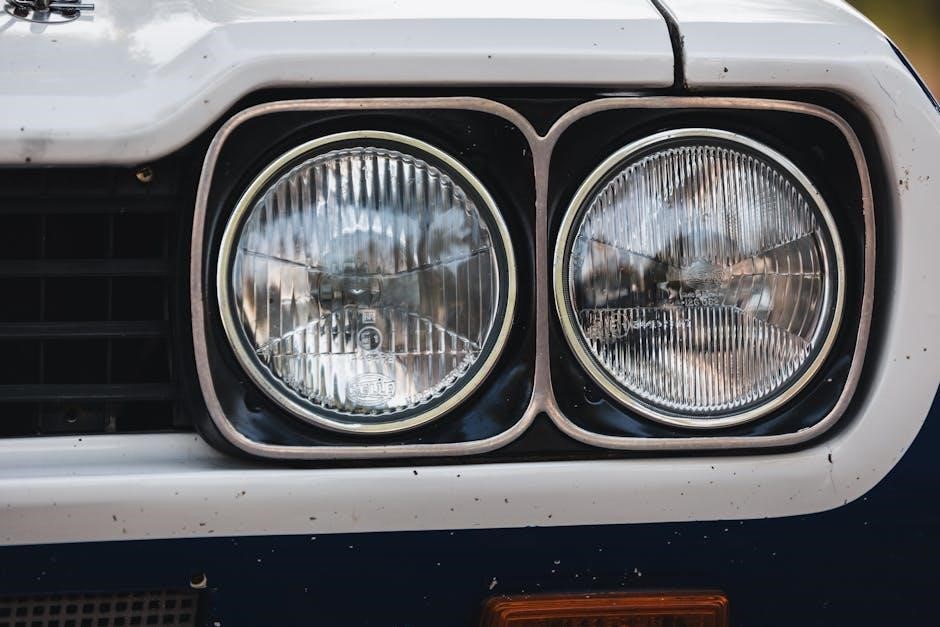
Identifying headlight issues promptly is vital for maintaining safe driving conditions. Common symptoms include a dim or flickering beam, a completely burnt-out bulb, or one headlight being significantly brighter than the other. Inspecting the bulbs visually is the first step; look for discoloration or filament breaks.
Further diagnosis involves checking the headlight assembly for damage, corrosion on electrical connectors, and blown fuses. A multimeter can test for voltage at the bulb socket, confirming power delivery. Remember that intermittent issues can be harder to pinpoint, potentially indicating a wiring problem or failing relay. Professional inspection may be necessary for complex electrical faults.
Common Headlight Bulb Failure Symptoms
Recognizing the signs of a failing headlight bulb is crucial for timely replacement and continued road safety. A frequently observed symptom is a noticeable dimming of the light output, making nighttime driving more challenging. Another telltale sign is a flickering or intermittent beam, indicating an unstable connection or a bulb nearing the end of its lifespan.
Complete bulb failure, where the headlight ceases to illuminate altogether, is a clear indicator of replacement needed. Discoloration of the bulb, often appearing as a dark shadow or a change in light color, also suggests impending failure. Addressing these symptoms promptly ensures optimal visibility and prevents potential hazards while driving.
Tools for Headlight Bulb Replacement
Successfully replacing a headlight bulb requires a few essential tools to ensure a smooth and safe process. A basic toolkit should include a pair of gloves to protect your hands and prevent oil contamination on the new bulb, which can shorten its lifespan. A screwdriver set, encompassing various sizes and types, is necessary for accessing the headlight assembly.
Depending on the vehicle, you might also need pliers for removing clips or connectors. A small socket set can be helpful for loosening retaining nuts. Finally, a flashlight or headlamp provides illumination in dimly lit engine bays. Having these tools readily available streamlines the replacement process and minimizes frustration.
Replacing a Headlight Bulb: A Step-by-Step Guide
Begin by disconnecting the negative battery terminal for safety. Locate the headlight assembly and identify the access panel, often behind the headlight. Remove the panel to reveal the bulb housing. Disconnect the electrical connector attached to the bulb – gently squeeze and pull. Twist or unclip the old bulb retainer, then carefully remove the old bulb, avoiding touching the glass.
Install the new bulb, ensuring it’s properly seated in the housing. Reattach the retainer, secure the electrical connector, and replace the access panel. Finally, reconnect the negative battery terminal and test the new headlight. Always consult your vehicle’s manual for specific instructions.
LED Headlight Bulb Conversions
Converting to LED headlights offers significant benefits, including increased brightness – up to ten times brighter – enhanced longevity, and reduced energy consumption. These bulbs, often utilizing aviation aluminum for heat dissipation, provide a futuristic aesthetic and superior illumination. However, potential issues exist.
Some vehicles may require additional components like CANbus adapters to prevent error messages or flickering. Heat management is crucial; improper installation can lead to premature bulb failure. Ensure compatibility with your vehicle’s electrical system before purchasing. While offering a substantial upgrade, careful consideration and proper installation are key to a successful LED conversion.
Benefits of LED Conversions
LED headlight conversions deliver a multitude of advantages over traditional halogen or HID systems. Primarily, LEDs boast significantly increased brightness, offering up to ten times more illumination for enhanced visibility, improving safety during nighttime driving. Their extended lifespan dramatically reduces replacement frequency, saving both time and money.
Furthermore, LEDs consume considerably less energy, lessening the strain on your vehicle’s electrical system. The instant-on capability eliminates warm-up times, providing immediate full brightness. Modern LED designs, often incorporating aviation aluminum, offer superior heat dissipation and a sleek, contemporary aesthetic. Ultimately, LED conversions represent a worthwhile upgrade for improved performance and style.
Potential Issues with LED Conversions
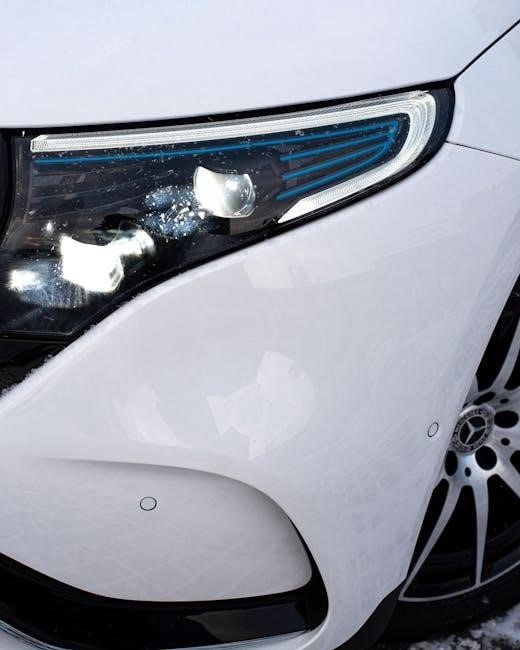
While LED conversions offer numerous benefits, potential issues require consideration. Some vehicles may experience compatibility problems, including flickering or error messages on the dashboard, due to the lower power draw of LEDs compared to traditional bulbs. Anti-flicker decoders or load resistors may be necessary to resolve these issues.
Proper heat dissipation is crucial; inadequate cooling can lead to premature LED failure. Incorrect beam patterns can also occur if the LED bulb isn’t designed to replicate the original halogen or HID projection. Ensure the chosen LED bulb is specifically designed for your vehicle’s headlight housing to avoid glare for oncoming drivers and maintain optimal visibility. Careful research and quality components are key.
Adaptive Headlight Systems
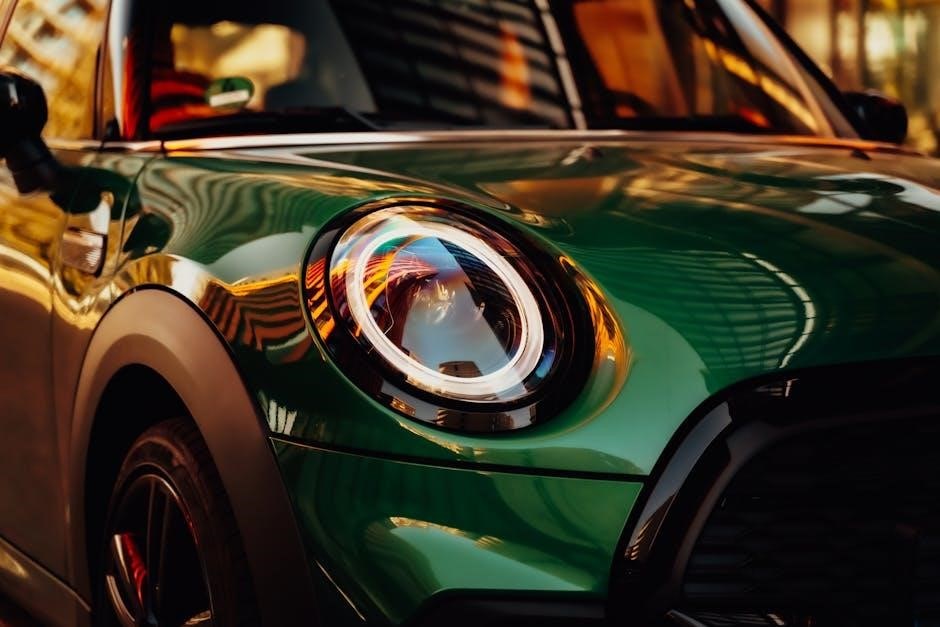
Adaptive headlight systems represent a significant advancement in automotive lighting technology, enhancing both safety and visibility. These systems utilize sensors to detect steering angle, vehicle speed, and even oncoming traffic, dynamically adjusting the headlight beam accordingly. This allows the headlights to “follow” the road during turns, illuminating a wider arc and improving peripheral vision.
Furthermore, many adaptive systems incorporate automatic high-beam control, dimming the high beams when oncoming vehicles are detected to avoid blinding other drivers. Some systems also adjust the beam pattern based on speed, lowering the beam for city driving and raising it for highway speeds. These features collectively contribute to a safer and more comfortable driving experience.
The Future of Headlight Technology
The evolution of headlight technology continues at a rapid pace, promising even greater advancements in safety and visibility. Current research focuses heavily on laser headlights, offering significantly increased range and intensity compared to LEDs, though cost and regulatory hurdles remain. Micro-LED technology, utilizing microscopic LEDs for incredibly precise beam control, is also gaining traction.
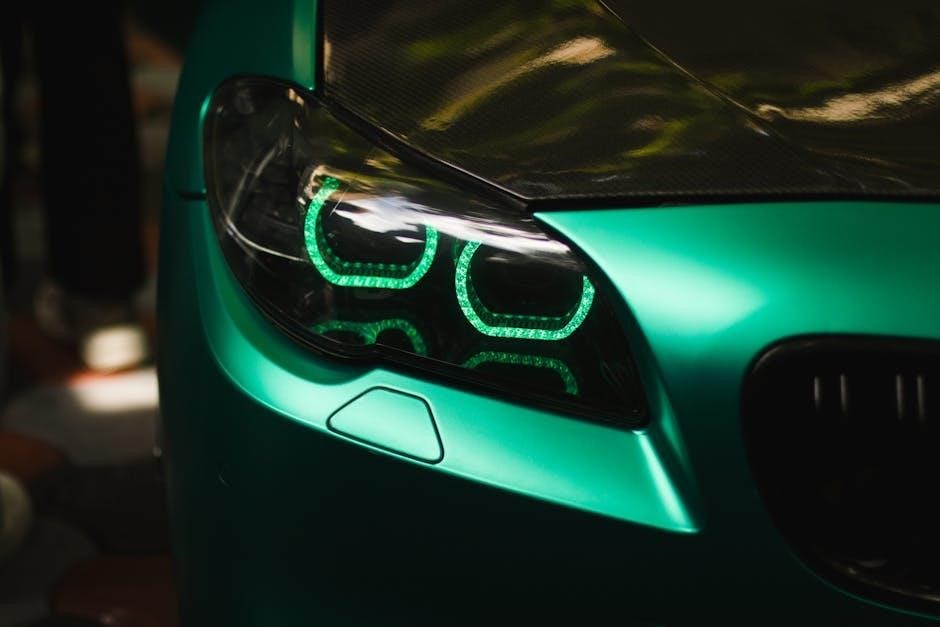
Beyond the light source itself, advancements in beam shaping and projection are expected. Digital light projection systems, capable of creating highly detailed and customizable light patterns, could offer enhanced communication with other vehicles and pedestrians. Integration with autonomous driving systems will also be crucial, with headlights potentially projecting signals or warnings onto the road surface. Expect smarter, safer, and more efficient lighting solutions in the years to come.
Top Brands of Headlight Bulbs
Several brands consistently rank highly in the headlight bulb market, known for their quality, performance, and reliability. Philips is a leading manufacturer, offering a wide range of options from halogen to X-tremeVision LEDs, praised for their brightness and longevity. Osram, another established player, provides innovative lighting solutions, including Night Breaker halogen bulbs and LED upgrades.
Sylvania, a well-known automotive lighting brand, offers SilverStar Ultra bulbs and increasingly competitive LED options. Newer brands like Morimoto (part of Truck-Lite) are gaining popularity, particularly for their high-performance LED systems. Choosing the right brand depends on your vehicle, budget, and desired level of performance, but these names represent a solid starting point for quality illumination.
Where to Buy Headlight Bulbs
Headlight bulbs are readily available through numerous channels, catering to diverse shopping preferences. Major automotive retailers like AutoZone, Advance Auto Parts, and O’Reilly Auto Parts offer a wide selection, often with in-store assistance for finding the correct fit. Online marketplaces such as Amazon provide extensive choices, competitive pricing, and customer reviews, enabling informed decisions.
Directly from the manufacturer’s websites (Philips, Osram, Sylvania) guarantees authenticity and access to the latest products. Local auto parts stores and even some big-box retailers (Walmart, Target) carry basic bulb options. Comparing prices and considering shipping costs is crucial when purchasing online, while in-store purchases allow for immediate installation.
Headlight Bulb Lifespan and Maintenance
Headlight bulb lifespan varies significantly based on type; halogens typically last 500-1000 hours, HIDs around 2000 hours, and LEDs can exceed 30,000 hours. Regular visual inspections are crucial – dimmed or flickering bulbs indicate impending failure. Avoid touching the glass portion of halogen bulbs with bare hands, as oils can create hotspots and shorten lifespan.
Cleaning headlight lenses periodically with a dedicated cleaner restores clarity and improves beam output. Check for corrosion on bulb connectors and clean them with electrical contact cleaner. Replacing bulbs in pairs ensures consistent brightness and color temperature. Proactive maintenance extends bulb life and maintains optimal visibility, enhancing driving safety.
Leave a Reply