Boiling a mouthpiece is vital for a custom fit, especially with thermoplastic boil and bite versions, enhancing protection and comfort for athletes and dental patients.
What is a Boil and Bite Mouthpiece?
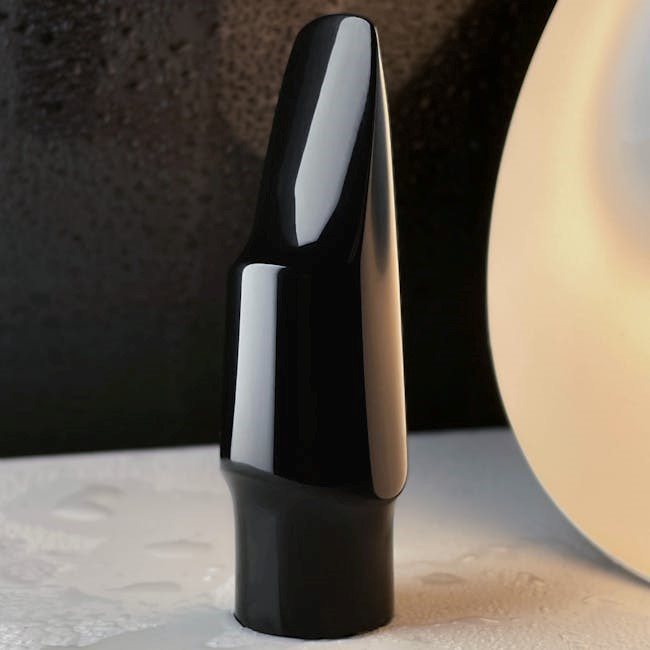
A boil and bite mouthpiece is a protective oral device crafted from thermoplastic material, designed for a personalized fit. Unlike custom-made options from a dentist, these are softened in boiling water, allowing you to mold them comfortably to your unique teeth and gum contours.
These are commonly used as sports guards to prevent dental injuries, or as night guards to protect against teeth grinding. The process involves heating the material to increase its pliability, enabling a secure and customized fit when cooled and bitten into.
Why Boil a Mouthpiece?
Boiling a mouthpiece fundamentally alters its material properties, transforming it from rigid to pliable. This crucial step enables the thermoplastic to conform precisely to the user’s teeth and gums, maximizing both protection and comfort. Without boiling, the mouthpiece would be too firm to mold effectively.
This process ensures a snug, customized fit, vital for athletes preventing dental injuries and individuals needing protection from teeth grinding during sleep. A properly fitted mouthpiece is far more effective.
Supplies Needed for Boiling
Essential supplies include a boiling container, tongs, a timer for accurate duration, and a bowl filled with cold water for rapid cooling post-boiling.
Boiling Container
Selecting the right boiling container is crucial for safely softening your mouthpiece. A saucepan is generally suitable, but ensure it’s dedicated solely to this purpose – avoid using cookware for food preparation afterward. The container should be large enough to fully submerge the mouthpiece in water without overcrowding.
Consider using a stainless steel pot, as it heats evenly and doesn’t react with the mouthpiece material. Avoid aluminum, as it can potentially discolor the plastic. Always ensure the container is clean before use to prevent any contaminants from affecting the boiling process and the final fit;
Tongs or Slotted Spoon
A pair of tongs or a slotted spoon is essential for safely removing the softened mouthpiece from the boiling water. This prevents direct contact with the hot water, minimizing the risk of burns. Metal utensils are preferred for their heat resistance and durability.
Ensure the tongs or spoon have a secure grip to avoid dropping the pliable mouthpiece. Plastic utensils are not recommended as they may melt or warp under high temperatures. Thoroughly clean the utensil before use to maintain hygiene during the fitting process.
Timer
Accurate timing is crucial when boiling a mouthpiece to achieve the correct level of pliability. A timer – whether on a phone, kitchen timer, or stopwatch – ensures the mouthpiece isn’t over or under-heated. Over-boiling can distort the shape, while insufficient heating results in a poor fit.
Precisely follow the manufacturer’s recommended boiling duration, typically ranging from 30 to 60 seconds. Setting a timer eliminates guesswork and guarantees consistent results each time you refit or re-boil your mouthpiece.
Bowl of Cold Water
Having a bowl of cold water readily available is a critical safety step in the mouthpiece boiling process. Immediately after the timed boiling period, quickly transfer the softened mouthpiece into the cold water to halt the heating process and prevent burns.
The cold water rapidly cools the material, making it safe to handle during the fitting stage. This also helps to “set” the softened plastic, preparing it for molding to your teeth and gums for a comfortable, secure fit.

Step-by-Step Boiling Instructions
Follow a precise sequence: prepare the mouthpiece, boil water, submerge the guard, and time it carefully for optimal softening and a perfect custom fit.
Step 1: Preparing the Mouthpiece
Before initiating the boiling process, thoroughly inspect your mouthpiece for any existing damage or imperfections. Ensure it’s clean; rinse it under lukewarm water to remove any debris or residue. This initial cleaning step is crucial for hygienic reasons and ensures optimal adhesion during the molding phase. Carefully read the manufacturer’s instructions, as specific materials may have slightly different preparation requirements. Some mouthpieces benefit from a brief soak in warm water prior to boiling, further enhancing pliability. This preparatory step sets the stage for a successful and comfortable fit.
Step 2: Boiling the Water
Fill your chosen boiling container with enough water to completely submerge the mouthpiece, ensuring ample space for circulation. Bring the water to a rolling boil – vigorous bubbling is essential for effectively softening the thermoplastic material. Avoid using excessive heat, as this could potentially warp or damage the mouthpiece. Closely monitor the water temperature; a consistent boil is preferable to fluctuating heat levels. Remember safety first: handle the hot water and container with extreme caution to prevent accidental burns or spills.
Step 3: Submerging the Mouthpiece
Carefully lower the mouthpiece into the vigorously boiling water, using tongs or a slotted spoon to avoid direct contact with the hot liquid. Ensure the entire mouthpiece is fully submerged; any dry areas won’t soften properly, leading to an uneven fit. Allow sufficient space between the mouthpiece and the bottom of the container to facilitate even heating. Monitor closely to prevent the mouthpiece from sticking or touching the sides of the pot, which could cause deformation.
Step 4: Timing the Boil
Precisely time the boiling process, as over or under-boiling can compromise the fit. Generally, 30-60 seconds is sufficient for most mouthpieces, but always refer to the manufacturer’s specific instructions. Observe the mouthpiece; it should become pliable and slightly softened, exhibiting a malleable texture. Avoid exceeding the recommended time, as excessive heat can distort the shape and render the mouthpiece unusable. Set a timer to ensure accuracy and prevent accidental overexposure to the boiling water.
Optimal Boiling Time and Temperature
Achieving the ideal temperature and duration is crucial for successful molding; typically, boiling for 30-60 seconds at around 212°F (100°C) works best.
Recommended Water Temperature
When boiling your mouthpiece, maintaining the correct water temperature is paramount for achieving optimal softening without causing damage to the material. Generally, water should reach a rolling boil, approximately 212°F (100°C).
Using water that is too cool may not adequately soften the thermoplastic, resulting in a poor fit. Conversely, excessively hot water, or prolonged exposure to high temperatures, could distort the mouthpiece’s shape and compromise its integrity.
Always ensure the water fully covers the mouthpiece during the boiling process for even heating.
Ideal Boiling Duration
Determining the ideal boiling duration is crucial for successfully softening your mouthpiece. Most manufacturers recommend a boiling time between 30 to 60 seconds. However, always refer to the specific instructions provided with your mouthpiece, as materials can vary.
Shorter durations may leave the material too rigid for proper molding, while exceeding the recommended time can lead to excessive softening and potential distortion.
Carefully monitor the mouthpiece during boiling and promptly remove it once it appears pliable.
Cooling the Mouthpiece
Rapidly cooling the softened mouthpiece is essential for safe handling and optimal shaping; use a bowl of cold water to halt the boiling process.
Cooling Methods
After boiling, immediate cooling is crucial to prevent the mouthpiece from re-hardening prematurely. The most common and effective method involves submerging the softened mouthpiece into a bowl filled with cool – not ice-cold – water. This rapid temperature change halts the softening process, allowing for safe handling and proper molding.
Avoid using extremely cold water, as it can cause the material to become brittle. Gently agitate the mouthpiece in the water to ensure even cooling throughout. This step is vital for achieving a comfortable and accurate fit, preparing it for the fitting stage.
Checking for Proper Softness
Before attempting to fit the mouthpiece, verifying its softness is essential for a successful outcome. The material should be pliable and easily moldable, offering enough give when gently pressed with a finger, but not excessively sticky or distorted. It needs to be soft enough to conform to your teeth without resistance.
If the mouthpiece feels too rigid, a few more seconds of boiling may be necessary. Conversely, if it’s overly soft and losing shape, it has been overexposed to heat and may be unusable.
Fitting the Mouthpiece
Once cooled, quickly insert the softened mouthpiece and bite down firmly, molding it to your teeth and gums for a secure, customized fit.
Inserting the Mouthpiece
After the mouthpiece has cooled sufficiently – but is still pliable – it’s time for immediate insertion into the mouth. Work quickly, as the material will harden as it cools further. Center the mouthpiece over your teeth, ensuring it covers all necessary areas for protection.
Gently but firmly press the mouthpiece onto your teeth and gums. Avoid placing your tongue between the mouthpiece and your teeth, as this will prevent a proper mold. The goal is to achieve full contact with all relevant surfaces for optimal fit and protection.
Biting and Molding
Once the mouthpiece is positioned correctly, begin biting down gently but firmly. Apply even pressure across all teeth – both upper and lower. Avoid excessive force, which could distort the shape. Simultaneously, use your lips to gently press against the exterior of the mouthpiece, aiding in the molding process.
Maintain this biting and lip-pressing action for the recommended duration, typically around 30-60 seconds, or as specified by the mouthpiece’s instructions. This allows the warm material to conform precisely to your unique dental structure.
Using Your Fingers for Shaping
While biting down, utilize your fingers to gently guide and shape the softened mouthpiece. Press firmly on the outer surfaces to ensure it conforms closely to your gums and cheeks. This external pressure helps create a secure and comfortable fit, preventing slippage during use.
Pay particular attention to areas needing extra definition, like the sides and back. Avoid pressing too hard, which could cause distortion. Continue shaping until the mouthpiece feels snug and secure around your teeth.
Mouthpieces for Braces
Boiling mouthguards for braces is essential for a fit that avoids bracket damage, ensuring the plastic molds around—not into—the orthodontic appliances.
Specific Considerations for Braces
When boiling a mouthpiece for braces, extra caution is needed. The goal is to create a snug fit around the brackets, not one that puts pressure on them. Ensure the softened material doesn’t fill the spaces between the braces and teeth, as this can dislodge components.
Carefully follow the boiling and molding instructions, and consider a slightly longer cooling period to prevent distortion. A properly fitted mouthpiece protects teeth and braces during impact, but a poor fit can cause significant damage, potentially prolonging orthodontic treatment.
Avoiding Damage to Brackets
Protecting your orthodontic investment is paramount when fitting a mouthpiece. Avoid excessive pressure during the molding process, as this can detach brackets or bend wires. Ensure the softened material flows around the braces, not over them, preventing unwanted movement or breakage.
If resistance is felt, gently re-soften the mouthpiece rather than forcing it. Regularly inspect the mouthpiece for any signs of wear that could compromise bracket protection, and consult your orthodontist if concerns arise.

Types of Mouthpieces and Boiling
Both sports guards and night guards, crafted from thermoplastic, benefit from the boiling process to achieve a personalized and secure fit for optimal protection.
Sports Mouthguards
Boiling sports mouthguards is essential for a secure fit during athletic activities, safeguarding teeth from impact and reducing the risk of concussions. The process softens the thermoplastic material, allowing it to mold precisely to the athlete’s mouth. This customization enhances comfort and maximizes protection during high-impact sports like football, basketball, and hockey. Proper fitting ensures the mouthguard stays in place, providing reliable defense against oral injuries. Always follow the manufacturer’s instructions for optimal results and a secure, protective fit.
Night Guards
Boiling night guards, designed to prevent teeth grinding (bruxism) during sleep, requires careful attention to detail. The softening process allows the thermoplastic material to conform to your unique bite, creating a comfortable and effective barrier. A properly fitted night guard minimizes jaw pain, headaches, and tooth damage caused by nighttime clenching or grinding. Following precise boiling and molding instructions is crucial for achieving a secure and personalized fit, ensuring optimal protection throughout the night.
Dental Appliances
Certain dental appliances, like retainers or some types of orthodontic aligners, may require a boiling process for adjustment or initial fitting. This softens the material, enabling precise molding to the patient’s teeth and jaw structure. Always adhere strictly to your dentist’s or orthodontist’s specific instructions, as improper boiling can damage the appliance or compromise its effectiveness. Careful temperature control and timing are essential for achieving a comfortable and functional fit, ensuring optimal dental health outcomes.
Troubleshooting Common Issues
If the mouthpiece doesn’t soften, re-boil for a short duration; if too soft, quickly cool it to regain shape and prevent distortion.
Mouthpiece Not Softening Enough
If, after the recommended boiling time, your mouthpiece remains stubbornly rigid, don’t force the fitting process. This usually indicates insufficient heat penetration. Carefully remove the mouthpiece from the water using tongs, and return it to the boiling water for an additional 10-20 seconds.
Ensure the entire mouthpiece is fully submerged. Check your water temperature; it might not be hot enough. Repeat the process cautiously, monitoring closely to avoid over-softening. A slightly longer boiling time may be necessary depending on the material’s thickness.
Mouthpiece Too Soft and Distorted
If your mouthpiece becomes excessively pliable or loses its shape during boiling, it indicates overexposure to heat. Immediately remove it from the hot water using tongs and quickly submerge it in the prepared bowl of cold water to halt the softening process.
Attempting to mold an overly softened mouthpiece will likely result in a poor fit and potential distortion. While minor reshaping might be possible, severely distorted mouthpieces may be unusable and require replacement.
Safety Precautions
Boiling water presents burn risks; handle with extreme caution! Always use tongs to manage the hot mouthpiece, preventing direct skin contact and potential injuries.
Handling Hot Water
When boiling water for your mouthpiece, prioritize safety above all else. The water will be extremely hot and poses a significant scalding risk. Always use a pot with a secure handle and place it on a stable surface. Never leave the pot unattended while heating. Keep children and pets away from the area to prevent accidental spills or contact with the hot water. Consider wearing heat-resistant gloves for added protection when handling the pot or mouthpiece after boiling.
Avoiding Burns
Protecting yourself from burns is paramount when boiling a mouthpiece. Utilize tongs or a slotted spoon to carefully submerge and retrieve the mouthpiece, avoiding direct contact with the hot water. Be mindful of steam, as it can cause severe burns; maintain a safe distance. If accidental skin contact occurs, immediately cool the affected area under cold running water for at least ten minutes. Promptly seek medical attention for any significant burns.
Cleaning After Boiling and Fitting
Thoroughly clean your mouthpiece post-boiling with appropriate solutions to eliminate bacteria and ensure hygiene for comfortable and safe repeated use.
Proper Cleaning Solutions
After each use, and especially following the boiling and fitting process, cleaning your mouthpiece is paramount. Avoid abrasive cleaners like toothpaste, as they can create microscopic scratches, harboring bacteria. Instead, opt for mild soap and lukewarm water, or specialized mouthpiece cleaning solutions readily available at sporting goods stores or pharmacies.
Antimicrobial mouthwashes can also be used for a more thorough cleanse, but ensure they are alcohol-free to prevent material degradation. Rinse the mouthpiece completely to remove any residue before storing it in a ventilated case to prevent bacterial growth and maintain optimal hygiene;
Storage Recommendations
Proper storage significantly extends the life and hygiene of your boiled and fitted mouthpiece. Always store it in a well-ventilated case when not in use, preventing moisture buildup which encourages bacterial growth. Avoid leaving it exposed to direct sunlight or extreme temperatures, as this can warp the material.
Regularly inspect the case for cleanliness and replace it if damaged. Keeping the mouthpiece separate from other dental appliances prevents cross-contamination and ensures optimal protection for your teeth and gums.
Re-Boiling a Mouthpiece
Re-boiling is sometimes necessary for adjustments, but repeated heating degrades the material; limit re-boiling to maintain optimal fit and protection.
When is Re-Boiling Necessary?
Re-boiling a mouthpiece becomes necessary when the initial fit isn’t quite right, or if changes in your teeth occur – such as with orthodontic work. If the mouthpiece feels loose, or doesn’t provide adequate coverage, gentle re-shaping through re-boiling can improve the fit. However, remember that each re-boiling cycle slightly alters the material’s properties. Significant changes to your bite, or if the mouthpiece becomes noticeably distorted, might indicate the need for a new one rather than repeated re-boiling attempts. Prioritize safety and avoid excessive heat exposure.
Limitations of Re-Boiling
Repeatedly re-boiling a mouthpiece degrades the thermoplastic material, reducing its overall effectiveness and potentially leading to a compromised fit. Each heating cycle softens the plastic further, diminishing its ability to retain its shape and offer optimal protection. Excessive re-boiling can cause distortion, thinning, or even cracking of the mouthpiece. There’s a limit to how many times you can reheat and reshape it before it loses its integrity; a new mouthpiece is often the safest and most effective solution after several attempts.
Advanced Fitting Techniques
Utilizing mirrors improves visibility during molding, ensuring a precise fit. For complex cases, seeking professional guidance from a dentist guarantees optimal results and safety.
Using Mirrors for Visibility
Achieving a perfect fit often requires observing areas within the mouth that are difficult to see directly. Employing a handheld mirror, or even a bathroom mirror positioned strategically, allows for a clear view of the mouthpiece conforming to the contours of your teeth and gums. This is particularly helpful when molding the back molars or ensuring even pressure distribution.
Using a mirror enables self-correction during the molding process, preventing unevenness or gaps. It’s crucial to have adequate lighting alongside the mirror for optimal visibility and a more accurate, comfortable, and protective fit.
Seeking Professional Assistance
While boil and bite mouthpieces are designed for self-fitting, certain situations warrant professional guidance. If you experience significant difficulty achieving a comfortable and secure fit, or if you have complex dental work like braces, consulting a dentist or orthodontist is advisable.
They can offer personalized fitting techniques and ensure the mouthpiece doesn’t interfere with your oral health or orthodontic treatment. Professional assistance guarantees optimal protection and prevents potential damage to your teeth or brackets.

Long-Term Care and Maintenance
Regularly inspect your mouthpiece for wear and tear, and replace it when necessary to maintain optimal protection and hygiene for your teeth and gums.
Regular Inspection for Wear and Tear
Consistent examination of your boiled and bite-fitted mouthpiece is crucial for continued effectiveness. Look for cracks, tears, or significant thinning of the material, especially in areas experiencing the most pressure. Check for distortions in the shape, indicating potential loss of a secure fit.
Pay close attention to areas around the bite surfaces and edges. If you notice any substantial changes or damage, it’s time to consider replacing the mouthpiece, as compromised protection can lead to injuries. Regular checks ensure optimal safety and performance.
Replacing Your Mouthpiece
Knowing when to replace your boiled mouthpiece is essential for maintaining optimal protection. If you observe significant wear and tear – cracks, tears, or substantial thinning – it’s time for a replacement. Changes in fit, where the mouthpiece feels loose or uncomfortable, also signal the need for a new one.
Growth spurts for younger athletes necessitate frequent replacements. Generally, replacing your mouthpiece annually, or more often with heavy use, ensures continued safety and effectiveness. Don’t compromise on protection; a new mouthpiece is a worthwhile investment.
Successfully boiling and fitting a mouthpiece requires careful attention to detail, from water temperature and timing to proper molding techniques. Prioritizing safety throughout the process – handling hot water and avoiding burns – is paramount. A well-fitted mouthpiece provides crucial protection for teeth and gums during sports or addresses dental needs.
Remember, regular inspection and timely replacement are key to maintaining its effectiveness. Following these guidelines ensures a comfortable, secure fit and lasting oral health benefits.
Leave a Reply