Dog Muzzle Size Guide: Finding the Perfect Fit
Finding the right dog muzzle involves accurate measurements and understanding sizing variations. This guide helps determine the perfect fit for comfort and safety,
ensuring a positive experience for your canine companion during training or necessary restrictions.
Dog muzzles are essential tools for responsible pet ownership, serving various purposes beyond simply preventing bites. They play a crucial role in ensuring public safety, managing reactive behaviors, and even assisting with medical treatments. Understanding that muzzles aren’t punishment, but rather a management tool, is paramount.
Historically, muzzles were often associated with aggressive dogs, but their applications are far broader. They can be invaluable during veterinary visits, grooming sessions, or when a dog is recovering from facial surgery. Furthermore, muzzles provide peace of mind in crowded environments or situations where a dog might feel stressed or overwhelmed.
Choosing the correct muzzle is vital; a poorly fitted muzzle can cause discomfort, impede breathing, or even be ineffective. This guide will navigate the complexities of dog muzzle sizing, ensuring you select a muzzle that prioritizes your dog’s well-being and safety.
Why Proper Muzzle Sizing is Crucial
Proper muzzle sizing isn’t merely about finding a muzzle that stays on; it’s fundamentally linked to your dog’s health, safety, and comfort. A muzzle that’s too small restricts breathing, causes chafing, and induces significant stress. Conversely, a too-large muzzle allows the dog to potentially remove it, rendering it useless and potentially dangerous.
An ill-fitting muzzle can also impede essential functions like panting, drinking, and accepting treats – all vital for a dog’s well-being, especially during warm weather or training sessions. Discomfort can lead to anxiety and a negative association with the muzzle itself, hindering future use.
Accurate sizing ensures the muzzle fulfills its purpose – providing a safe and humane way to manage behavior or protect your dog – without compromising their quality of life. Prioritizing a correct fit is a demonstration of responsible pet ownership and respect for your canine companion.
Measuring Your Dog for a Muzzle
Accurate measurements of both snout circumference (girth) and length are essential for selecting the correct muzzle size, ensuring both comfort and effectiveness for your dog.
Tools Needed for Accurate Measurement
To ensure a precise fit, gathering the right tools beforehand is crucial. A flexible measuring tape is the most important item; fabric or vinyl tapes work best as they conform to your dog’s snout shape. Avoid using metal measuring tapes, as they can be rigid and provide inaccurate readings.
A pen and paper, or a note-taking app on your phone, are necessary to record the measurements accurately. Having a helper can be beneficial, especially with wiggly or anxious dogs, to keep them calm and still during the process. Treats can also be incredibly helpful for positive reinforcement, encouraging your dog to cooperate and associate measuring with a positive experience. Finally, a calm and well-lit environment will contribute to a more accurate and stress-free measurement session.
Muzzle Girth Measurement Explained
The muzzle girth is the circumference of your dog’s snout, and it’s a primary factor in determining the correct muzzle size. This measurement is taken approximately halfway between the dog’s eyes and the tip of their nose. Ensure your dog’s mouth is closed during measurement for accuracy.
Wrap the flexible measuring tape snugly around the snout, but not too tightly – you want it to be comfortable, not constricting. The muzzle’s circumference must be larger than your dog’s girth measurement to allow for comfortable breathing and movement. Record this measurement in inches or centimeters, depending on the sizing chart used by the muzzle manufacturer. Accurate girth measurement is fundamental to a well-fitting and safe muzzle.
Snout Length Measurement Explained
Determining snout length is crucial for a secure and comfortable muzzle fit. This measurement extends from the tip of the dog’s nose to the point where the muzzle will sit against their face, typically just below the eyes. Use a flexible measuring tape, extending it straight back from the nose;
Avoid angling the tape; a straight line is essential for accuracy. Compare this length measurement to the manufacturer’s sizing chart, as muzzle length varies significantly between brands and styles. A muzzle that’s too short won’t provide adequate coverage, while one that’s too long can restrict movement and cause discomfort. Accurate snout length ensures the muzzle stays securely in place during use.
Measuring a Dog with a Broad Snout
Dogs with broad snouts, like Bulldogs or Boxers, require careful measurement due to their unique facial structure. When measuring girth, ensure the tape encompasses the widest part of the snout, accounting for cheek width. It’s vital to avoid pulling the tape too tightly, as this can result in an undersized measurement.
For snout length, measure from the nose tip to the point just below the eyes, maintaining a straight line. Pay attention to the muzzle’s width; some broad-snouted breeds may need wider muzzles to prevent rubbing. Always consult the manufacturer’s size chart, prioritizing width over length for a comfortable and secure fit.
Measuring a Dog with a Narrow Snout
Measuring dogs with narrow snouts, such as Greyhounds or Collies, demands precision to ensure a snug, yet comfortable fit. When determining girth, carefully wrap the measuring tape around the narrowest part of the snout, ensuring it’s not too tight. Avoid gaps, as this will lead to an inaccurate measurement and potential slippage during use.
For snout length, measure from the nose tip to the point directly below the eyes, keeping the tape straight. Prioritize length over width when selecting a muzzle, as a wider muzzle may not conform properly to the snout’s shape. Always cross-reference your measurements with the specific brand’s size chart for optimal results.
Understanding Muzzle Types and Sizing Differences
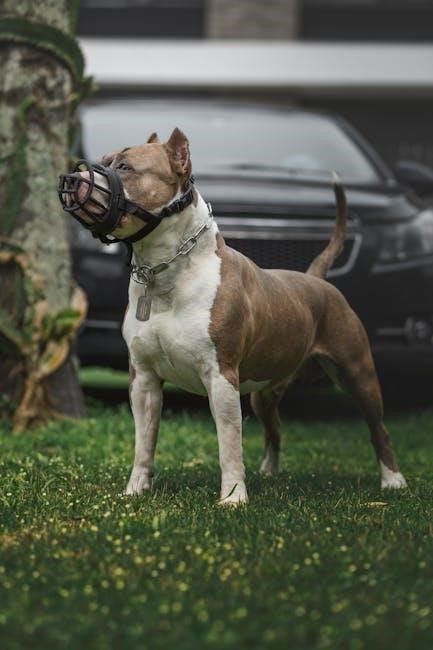
Different muzzle types—basket, fabric, and wire cage—require unique sizing approaches. Understanding these variations is crucial for a secure and comfortable fit for your dog.
Basket Muzzle Sizing Considerations
Basket muzzles, known for allowing dogs to pant, drink, and even take treats, necessitate precise sizing. The muzzle’s circumference must exceed the dog’s snout girth, measured halfway between the eyes and nose, while the mouth is closed.
Length is equally vital; the basket should be long enough to prevent the dog from pawing it off, but not so long that it interferes with comfortable movement. Consider the width – it shouldn’t press against the dog’s cheeks.
Always prioritize a fit that allows for a natural mouth position. A too-tight basket restricts essential functions, while a loose one compromises security. Comparing internal dimensions to existing muzzles or utilizing brand-specific charts is highly recommended for optimal results.
Fabric Muzzle Sizing Considerations
Fabric muzzles, often used for short-term restraint or grooming, require a slightly different sizing approach than basket muzzles. Accurate snout girth measurement remains crucial, ensuring the muzzle isn’t constricting. However, fabric muzzles typically have adjustable straps, offering some flexibility in fit.
Pay close attention to the muzzle’s length; it should prevent the dog from nuzzling or attempting to remove it with their paws. Ensure the fabric doesn’t rub against the eyes or cause irritation.
Because fabric offers less visibility, confirm the dog maintains a reasonable field of vision. Prioritize breathability to prevent overheating, and always supervise a dog wearing a fabric muzzle.
Wire Cage Muzzle Sizing Considerations
Wire cage muzzles, known for their durability and allowing panting, drinking, and treat-taking, demand precise sizing. Snout length is paramount; the muzzle must extend beyond the nose but not interfere with eye movement or cause rubbing. Girth measurement is also vital, ensuring a secure, yet comfortable fit.
Unlike fabric muzzles, wire cages offer limited adjustability. Therefore, selecting the correct size initially is critical. Check for adequate space around the eyes and ensure the wire doesn’t dig into the skin.
Consider the wire gauge – a thicker gauge provides greater durability, while a thinner gauge is lighter. Always prioritize a muzzle that allows for natural behaviors like yawning.

Dog Muzzle Sizing Charts by Breed Group
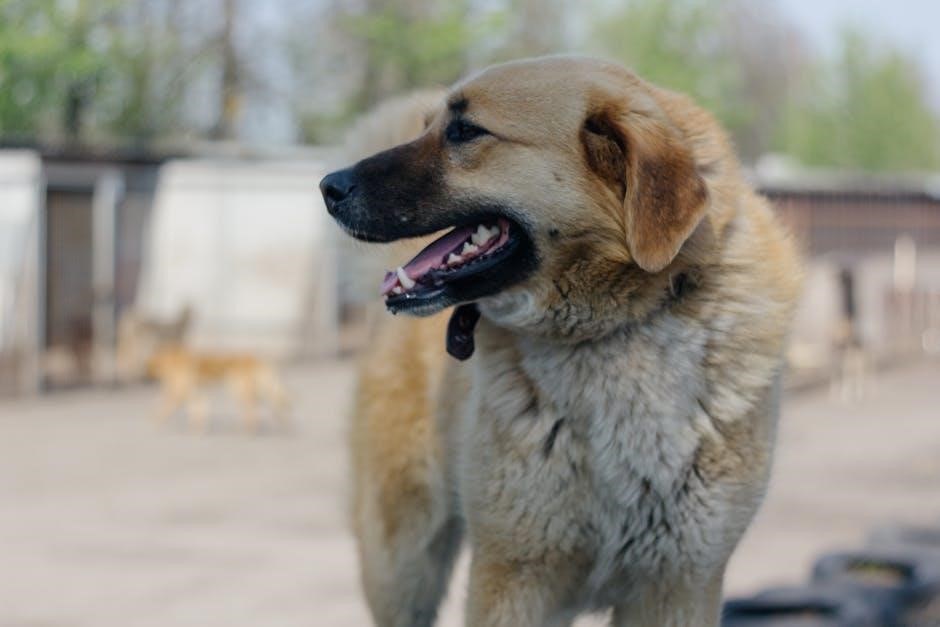
Breed-specific charts offer a starting point, but individual dogs vary. Consider weight, age, and head shape when selecting a muzzle size for optimal comfort.
Small Breed Muzzle Sizes (e.g., Chihuahua, Yorkshire Terrier)
For petite pups like Chihuahuas and Yorkshire Terriers, finding a correctly sized muzzle is paramount for both safety and comfort. These breeds typically require extra-small or small-sized muzzles, with a girth measurement often falling between 3 to 5 inches.
However, even within small breeds, variations exist. It’s crucial to measure your dog’s snout circumference accurately, approximately halfway between the eyes and the nose, with their mouth closed. Length is also important; measure from the tip of the nose to just below the eyes.
Pay close attention to manufacturer size charts, as sizing can differ significantly between brands. Look for muzzles specifically designed for flat-faced or short-snouted small breeds if applicable. Ensure the muzzle allows for panting and drinking, and doesn’t rub or cause irritation. A properly fitted muzzle should be snug but not tight, allowing for comfortable movement.
Medium Breed Muzzle Sizes (e.g., Beagle, Cocker Spaniel)
Medium-sized breeds, such as Beagles and Cocker Spaniels, generally require muzzles in the small to medium size range. Girth measurements typically fall between 5 to 8 inches, but individual dogs can vary, making accurate measurement essential.
Begin by measuring the circumference of your dog’s snout, about halfway between their eyes and nose, with their mouth closed. Then, measure the length from the nose tip to just below the eyes.
Always consult the specific size chart provided by the muzzle manufacturer, as sizes aren’t standardized. Consider the muzzle type – basket, fabric, or wire – as each may have slightly different sizing considerations. Ensure the muzzle allows for comfortable panting, drinking, and accepting treats during training. A secure, yet comfortable fit is vital for effective use.
Large Breed Muzzle Sizes (e.g., Labrador Retriever, German Shepherd)
Large breeds like Labrador Retrievers and German Shepherds typically need muzzles sized medium to large, with girths ranging from 8 to 12 inches. However, variations within breeds are common, so precise measurement is crucial for a proper fit.
Measure the snout circumference halfway between the eyes and nose, ensuring the dog’s mouth is closed. Then, measure the snout length from the nose tip to below the eyes.
Manufacturer size charts are essential, as sizing varies significantly between brands. Basket muzzles often require a slightly larger size to accommodate the snout length. Prioritize a muzzle that allows for comfortable panting and drinking. A well-fitted muzzle shouldn’t rub or cause discomfort, ensuring a positive experience for your dog.
Giant Breed Muzzle Sizes (e.g., Great Dane, Mastiff)
Giant breeds, such as Great Danes and Mastiffs, require extra-large or even custom-sized muzzles, with girths often exceeding 12 inches. Accurate measurements are paramount due to the significant size variations within these breeds.
Begin by measuring the snout circumference, ensuring the tape measure is snug but not tight, positioned halfway between the eyes and the nose. Next, carefully measure the snout length from the nose tip to the point below the eyes.
Always consult the manufacturer’s specific size chart, as these breeds often fall outside standard sizing. Basket muzzles are generally preferred for their durability and ability to accommodate larger snouts. Prioritize comfort and ensure the muzzle allows for panting and drinking without restriction.
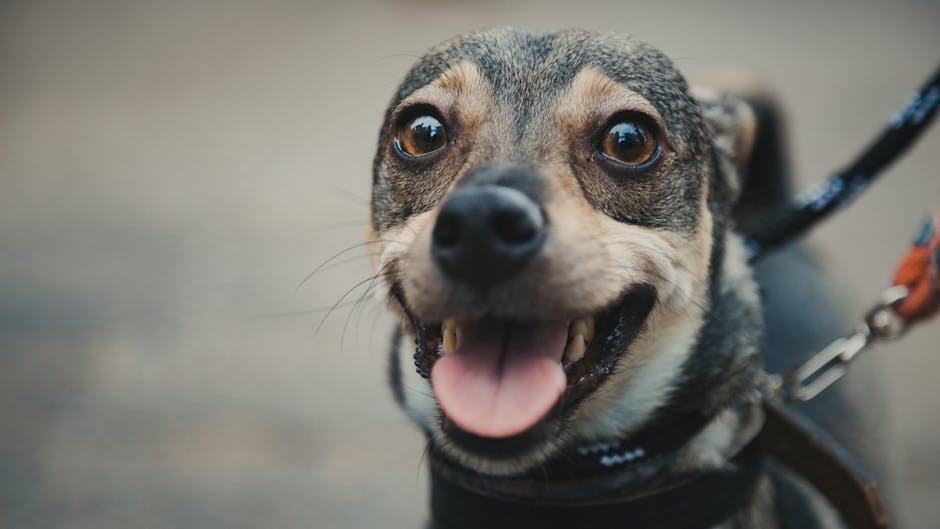
Manufacturer Size Charts and Variations
Each muzzle brand utilizes unique sizing guidelines; therefore, always prioritize checking the specific chart provided by the manufacturer for accurate fit determination.
Importance of Checking Brand-Specific Charts
It’s absolutely crucial to consult the size chart provided by each individual muzzle manufacturer before making a purchase. Size charts are not standardized across brands; significant variations in length, width, and circumference measurements exist. Relying on a general size guide can lead to an ill-fitting muzzle, compromising both comfort and effectiveness.
Manufacturers design their muzzles with specific dimensions, and their charts reflect these unique specifications. Comparing your dog’s snout measurements directly to the brand’s chart ensures the closest possible match. This meticulous approach minimizes the risk of selecting a muzzle that is either too tight, causing discomfort and potential injury, or too loose, allowing the dog to dislodge it.
Always prioritize the manufacturer’s recommendations for optimal fit and safety.
Dealing with Size Overlap
When your dog’s measurements fall between two sizes on a manufacturer’s chart, careful consideration is needed. Generally, it’s safer to opt for the larger size, especially if your dog is muscular or has a deep snout. A slightly larger muzzle allows for more comfortable breathing and prevents excessive pressure.
However, if the difference in measurements is minimal, and the muzzle offers adjustability, the smaller size might be suitable. Prioritize a secure fit that prevents the dog from removing the muzzle while still allowing sufficient space for panting and drinking.
Consider the muzzle’s material; more pliable materials like clear plastic offer greater flexibility in fit. If unsure, contacting the manufacturer directly for guidance is always recommended.
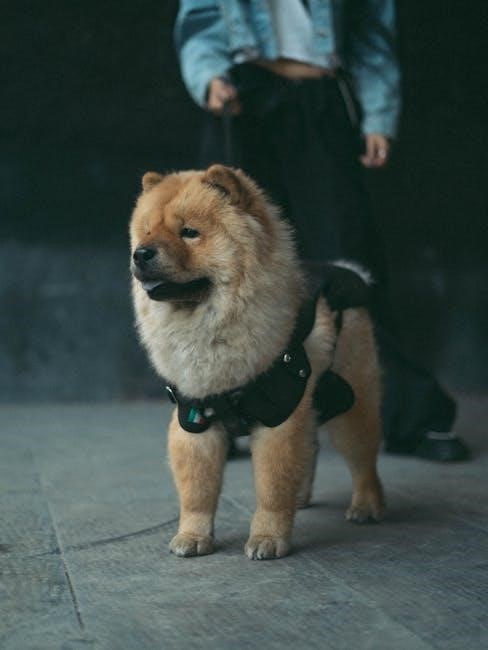
Special Considerations for Muzzle Fit
Unique snout shapes require tailored fitting approaches. Adjustable features and variations in width/height are crucial for brachycephalic breeds and optimal comfort.
Muzzles for Dogs with Short Snouts (Brachycephalic Breeds)
Brachycephalic breeds – like Pugs, Bulldogs, and Boxers – present unique challenges when muzzle fitting due to their shortened snouts and facial structure. Standard muzzle sizing charts often don’t apply effectively, necessitating careful consideration. These dogs require muzzles specifically designed for their facial conformation, prioritizing ample space around the nostrils to ensure unrestricted breathing.
Look for muzzles with a shorter snout length and wider face to accommodate their broad noses. Avoid muzzles that press against their nostrils, as this can cause discomfort and breathing difficulties. Opt for adjustable muzzles that allow for a customized fit, ensuring the muzzle doesn’t rub or chafe. Regularly check for signs of irritation or distress while the muzzle is worn, and prioritize comfort above all else. It’s often beneficial to consult with a veterinarian or professional dog trainer for guidance on selecting the most appropriate muzzle for your brachycephalic companion.
Adjustable Muzzle Features
Adjustable muzzle features are crucial for achieving a secure and comfortable fit, especially considering variations in dog breeds and individual snout shapes. Common adjustable components include straps with buckles or Velcro closures, allowing for fine-tuning of the muzzle’s tightness around the snout and head. These adjustments ensure the muzzle remains in place without being overly restrictive or causing discomfort.
Look for muzzles with multiple adjustment points for a more customized fit. Padded straps can prevent chafing and irritation, particularly during extended wear. Some muzzles offer adjustable nose bands to accommodate different snout widths. Regularly check the adjustments to ensure they remain secure, and avoid overtightening, which can restrict breathing or cause pressure sores. Prioritize muzzles with durable, high-quality adjustment hardware for long-lasting reliability.
Clear Muzzle Variations in Width and Height
Clear muzzles, often made of pliable plastic, present unique sizing considerations due to their flexibility. Unlike rigid basket or wire muzzles, clear muzzles can exhibit variations in both width and height depending on temperature and handling. It’s very important to acknowledge this variability when selecting a size, as the material is more bendable and pliable.
Because of this flexibility, a clear muzzle might initially fit well but could become slightly narrower or shorter in colder temperatures. Always prioritize a size that allows for ample room around the snout, ensuring the dog can pant and drink comfortably. Regularly check the fit, especially with temperature changes, and be prepared to adjust or consider a different style if significant deformation occurs.
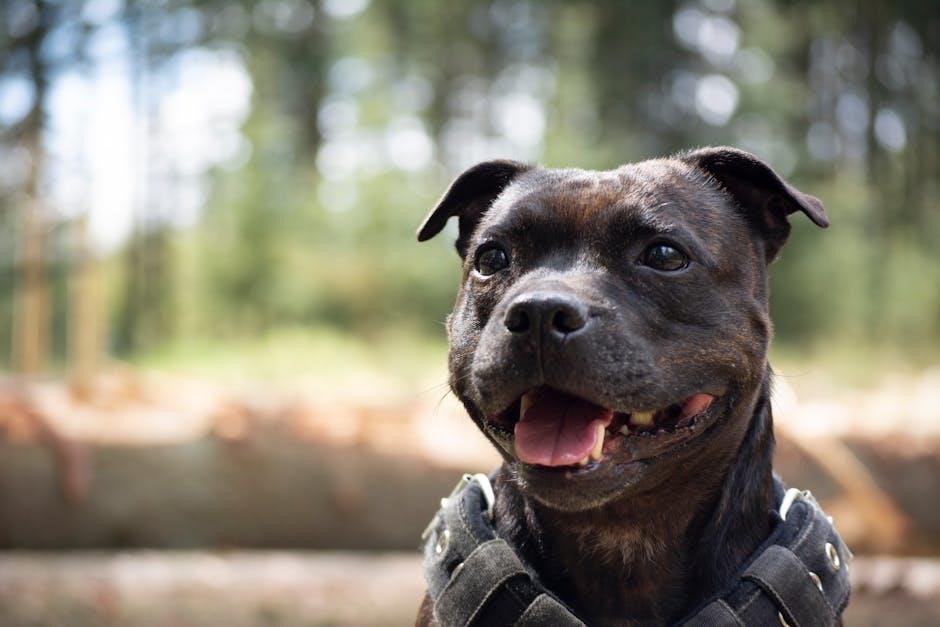
Muzzle Training and Acclimation
Positive reinforcement is key to successful muzzle training, creating a positive association. Make the experience enjoyable with treats, ensuring comfort and acceptance for your dog.
Positive Reinforcement Techniques
Introducing the muzzle should be a gradual and positive experience for your dog. Begin by simply showing the muzzle and rewarding calm behavior with high-value treats. Next, lure your dog’s nose into the muzzle briefly, immediately followed by praise and a treat.
Gradually increase the duration your dog wears the muzzle, always pairing it with positive reinforcement. Short sessions are more effective than long, stressful ones. Associate the muzzle with enjoyable activities like walks or playtime, further solidifying a positive connection.
Avoid forcing the muzzle on your dog, as this can create fear and anxiety. If your dog shows resistance, take a step back and proceed at a slower pace. Consistency and patience are crucial for successful muzzle training, ensuring your dog views the muzzle as a safe and comfortable tool.
Ensuring Comfort and Acceptance
A comfortable muzzle is essential for your dog’s well-being and cooperation. Regularly check for any signs of rubbing or irritation, especially during initial training sessions. Ensure the muzzle allows for panting, drinking, and even accepting small treats – vital for positive reinforcement.
Observe your dog’s body language while wearing the muzzle. Signs of discomfort include excessive pawing, rubbing the face, or attempts to remove it. Adjust the muzzle’s fit if necessary, ensuring it’s snug but not too tight.
Make muzzle wearing a normal part of your dog’s routine, associating it with positive experiences; A relaxed and accepting dog is more likely to tolerate the muzzle without stress, making it a safe and effective tool when needed.
Leave a Reply