
Understanding the Sacrament of Reconciliation

Confession, a courageous act of honesty, entrusts us to God’s mercy, offering forgiveness for offenses against Him and others; it’s a path to reconciliation.
What is Confession?
Confession, formally known as the Sacrament of Reconciliation, is a sacred rite instituted by Jesus Christ, offering a pathway to divine mercy and forgiveness. It’s a deeply personal encounter with God’s love, allowing individuals to acknowledge their sins and receive absolution through a priest acting in persona Christi – in the person of Christ.
This sacrament isn’t merely about admitting wrongdoing; it’s about recognizing our brokenness, experiencing God’s boundless compassion, and receiving the grace to turn away from sin. It’s a transformative experience, restoring our relationship with God and the Church community. Essential to a good confession is genuine contrition – a heartfelt sorrow for sins committed, coupled with a firm resolve to avoid them in the future.
Confession requires humility and honesty, presenting sins frankly to the priest, avoiding unnecessary details, but ensuring clarity about the nature of the offenses. It’s an act of entrusting oneself to a loving and forgiving God, seeking healing and renewal.
The Biblical Basis of Confession
The roots of Confession are deeply embedded within Scripture. Following His resurrection, Jesus bestowed upon His Apostles the power to forgive sins (John 20:23), establishing the foundation for the sacrament. Throughout the Gospels, we see instances of Jesus forgiving sins directly – to the paralytic (Matthew 9:2) and the woman caught in adultery (John 8:11) – demonstrating His authority and compassion.
The Old Testament also foreshadows Confession. Leviticus outlines sacrificial offerings for atonement, symbolizing the need for reconciliation with God after transgression. The prophet Ezekiel (33:11) emphasizes God’s desire for repentance and turning away from sin. James 5:16 encourages believers to “confess your sins to one another,” highlighting the communal aspect of seeking forgiveness.
These biblical passages demonstrate that God desires our repentance and offers forgiveness through a defined process, ultimately fulfilled in the Sacrament of Reconciliation instituted by Christ.
Why Confess? Benefits for Adults
Confession offers profound benefits for adult Catholics, extending far beyond simply having sins absolved. It’s an encounter with God’s merciful love, strengthening our relationship with Him and fostering spiritual growth. Through honest self-reflection and acknowledging our failings, we gain deeper self-awareness and humility.
The sacrament provides grace to overcome habitual sins and resist future temptations. It offers peace of mind, relieving the burden of guilt and shame. Confession isn’t merely about admitting wrongdoing; it’s about receiving healing and restoration. It also strengthens the bonds of community, reminding us we are not alone in our struggles.
Regular confession fosters a more vibrant prayer life and a greater desire to live a life pleasing to God. It’s a powerful tool for spiritual renewal, leading to increased joy and a deeper understanding of God’s unconditional love.
Preparing for Confession
Preparation involves a thorough examination of conscience, acknowledging sins with humility and frankness, and cultivating contrition – a sincere turning away from wrongdoing.
Examination of Conscience: A Detailed Guide
A diligent examination of conscience is paramount before Confession, allowing for honest self-reflection and identification of sins. Begin by recalling actions, thoughts, and omissions since your last confession. Consider areas where you’ve failed to live up to God’s love and commandments.
Reflect on your relationship with God – have you prayed regularly, honored Him in your daily life, or allowed distractions to hinder your spiritual growth? Examine your interactions with others – have you been truthful, kind, and respectful? Have you harbored resentment, envy, or anger?
Consider your actions regarding material possessions – have you been generous, honest in your dealings, or succumbed to greed? Reflect on your thoughts and desires – have you entertained impure thoughts, indulged in harmful habits, or neglected your spiritual well-being?
This introspective process, guided by the Ten Commandments and Church teachings, prepares the heart for receiving God’s grace and forgiveness.
The Ten Commandments and Confession
The Ten Commandments serve as a foundational guide during the examination of conscience, illuminating areas where we may have fallen short of God’s law. Reflecting on each commandment helps pinpoint specific sins requiring confession.
Have you truly worshipped God alone, or have you placed other things – wealth, power, or pleasure – before Him? Have you used His name with reverence, or taken it in vain? Have you honored your parents and respected legitimate authority?
Consider whether you’ve respected the sanctity of life, avoided lustful thoughts and actions, refrained from stealing or dishonesty, and spoken truthfully about others. Have you desired what belongs to others, or been content with your lot in life?
By honestly assessing our actions in light of these commandments, we gain clarity on the sins needing confession, fostering genuine contrition and a desire for reconciliation with God.
Common Sins for Adults: A Checklist
This checklist aids examination of conscience, prompting reflection on frequently encountered adult sins. It’s not exhaustive, but a starting point for honest self-assessment before Confession.
Against God: Lack of prayer, neglecting spiritual growth, failing to trust in God’s providence, blasphemy, superstition, and apathy towards faith.
Against Others: Anger, resentment, envy, jealousy, gossip, slander, judging others harshly, dishonesty, infidelity, and failing to show compassion.
Against Self: Addiction (alcohol, drugs, pornography, gambling), excessive indulgence, neglecting physical and mental health, self-pity, and lack of self-respect.
Actions: Stealing, cheating, lying, intentionally causing harm, and failing to fulfill responsibilities; Remember to consider both actions and intentions. This list encourages thorough preparation for a fruitful Confession.

Going to Confession: The Steps
Confession requires finding a time, approaching the priest with humility, honestly confessing sins, and expressing sorrow through the Act of Contrition—seeking God’s forgiveness.
Finding a Confession Time and Location
Locating a convenient time and place for Confession is the initial step in receiving this vital sacrament. Many parishes offer regularly scheduled Confession times, often on Saturday afternoons or before/after daily Masses. Check your local parish bulletin, website, or diocesan directory for specific schedules.
If regular times don’t suit your needs, consider requesting an appointment with a priest. This allows for a more private and extended Confession, particularly helpful after a long absence or when dealing with complex issues. Don’t hesitate to call the parish office and inquire about scheduling a private Confession.
Some dioceses also offer communal penance services, providing an opportunity for Confession with multiple priests present. These services often include a period of reflection and prayer before Confessions begin. Utilizing online resources, like diocesan websites, can help you discover these opportunities. Remember, the goal is to find a comfortable and accessible setting to encounter God’s mercy.
Approaching the Priest: What to Expect
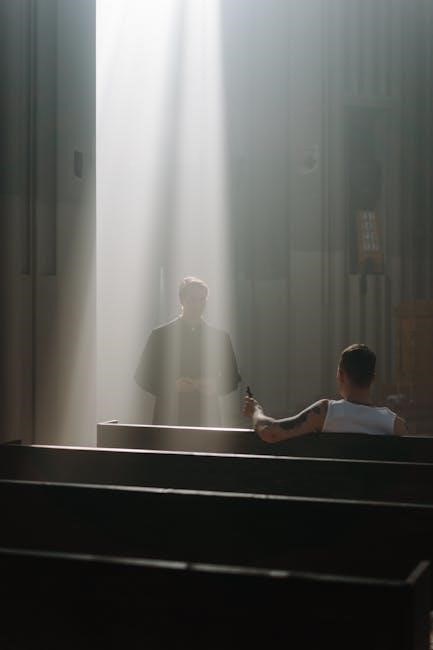
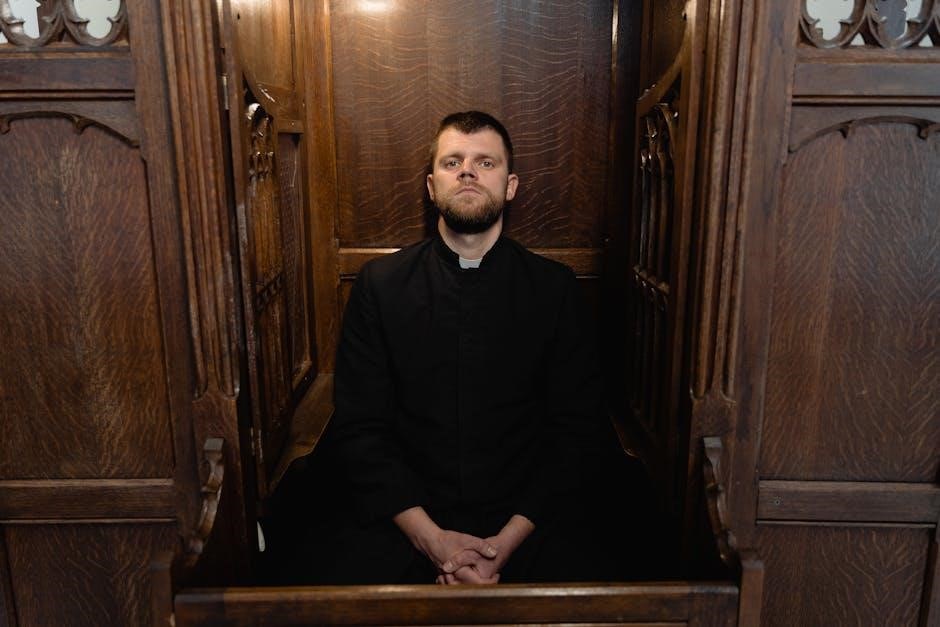
When approaching the priest, do so with reverence and humility. The confessional provides a safe and confidential space for sharing your sins. You’ll typically kneel or sit facing the priest, separated by a screen or partition, ensuring your privacy.
Begin by making the Sign of the Cross and stating, “Bless me, Father, for I have sinned.” Then, honestly and clearly confess your sins, avoiding vague generalities. It’s helpful to state the type of sin and, if possible, the number of times it was committed. If unsure of the exact number, approximate it.
Remember, the priest is a compassionate instrument of God’s mercy, not a judge. He is there to offer guidance and absolution. Don’t be afraid to speak openly and honestly, even about difficult or embarrassing sins. He is bound by the seal of confession, meaning he cannot reveal anything you share with him to anyone else.
Confessing Your Sins: Honesty and Clarity
Confessing your sins requires both honesty and clarity. State your sins humbly and frankly, focusing on the nature of the sin rather than providing excessive, unnecessary details. Avoid minimizing your actions or making excuses; own your responsibility.
It’s beneficial to group similar sins together – for example, “I have been envious of my neighbor” rather than listing each instance. If you’re unsure about the gravity of a particular action, ask the priest for guidance. Don’t be afraid to admit what you’ve done, even if it’s difficult or shameful.

Remember, God desires your sincere repentance, not a perfectly detailed account. Focus on acknowledging your wrongdoing and expressing your sorrow for having offended Him. A sincere confession, even if imperfectly articulated, is powerful and pleasing to God.

The Act of Contrition: Expressing Sorrow
The Act of Contrition is a heartfelt expression of sorrow for your sins, demonstrating genuine repentance. It’s not merely reciting words, but a sincere turning away from sin and towards God. Contrition implies a knowledge of your own failings and a firm resolve to avoid repeating them.
You can use a traditional prayer of contrition, or express your sorrow in your own words. The key is to demonstrate genuine regret for having offended God and a commitment to change your life. Acknowledge that sin harms your relationship with God and others.
This act isn’t about earning forgiveness, but about opening your heart to receive God’s mercy. It’s a vital component of a good confession, showing that you understand the gravity of your actions and desire reconciliation with God. True contrition leads to a renewed life.

After Confession
Confession isn’t an end, but a beginning! Embrace the penance, make amends, and strive to avoid future sins through a plan for spiritual growth.
Penance and Making Amends
Penance, assigned by the priest, isn’t a punishment, but a healing remedy—a therapeutic action designed to strengthen your resolve against future sin and repair the harm caused. It’s a tangible expression of your sorrow and a commitment to change. This might involve prayers, acts of charity, or self-denial.
However, penance is only one part of true reconciliation. Making amends, where possible, is equally crucial. If you’ve stolen something, return it or its equivalent value. If you’ve wronged someone, seek their forgiveness and attempt to repair the relationship. This direct effort to rectify your actions demonstrates genuine contrition.
Remember, the goal isn’t simply to “check off” a list of tasks, but to cultivate a heart truly sorry for sin and determined to live a life pleasing to God. Amends should be made with sincerity and a desire for genuine restoration, reflecting the transformative power of God’s forgiveness.
Avoiding Future Sins: A Plan for Growth
Confession isn’t a one-time fix, but a step within a lifelong journey of conversion. To avoid repeating sins, develop a concrete plan for spiritual growth. Identify your weaknesses – the specific temptations you struggle with – and proactively address them.
This might involve regular prayer, frequent reception of the Eucharist, and dedicated time for spiritual reading. Cultivate virtues that oppose your vices; for example, practice humility to combat pride, or generosity to overcome greed. Seek out positive influences and avoid situations that lead to temptation.
Consider finding a spiritual director—a trusted priest or religious—who can offer guidance and accountability. Regular self-examination, beyond preparing for Confession, is vital. Strive to live a life centered on God, seeking His will in all things, and embracing His grace to overcome sin.
The Priest’s Role in Forgiveness
The priest acts as an instrument of God’s mercy in the Sacrament of Reconciliation. He doesn’t forgive sins on his own authority, but rather represents Christ Himself. Through the priest, God imparts the forgiveness earned by Jesus’s sacrifice on the cross.
The priest’s role extends beyond simply hearing your confession. He offers guidance, counsel, and support, helping you understand the root causes of your sins and develop a plan for avoiding them in the future. He may also offer spiritual direction, helping you grow closer to God.
Remember, the priest is bound by the seal of confession – absolute secrecy. He will never reveal anything you share with him. Approach him with trust and openness, knowing he is there to facilitate God’s healing and forgiveness. His role is to welcome you home, as a loving father, to the embrace of the Church.

Resources for Further Learning
Numerous Catholic websites offer confession guides and free PDF resources. Recommended books delve deeper into the sacrament, aiding your spiritual journey and understanding.
Catholic Websites with Confession Guides
Several excellent Catholic websites provide comprehensive guides to understanding and preparing for the Sacrament of Reconciliation. These resources often include downloadable PDF guides specifically designed for adults returning to confession after a long absence, or those seeking a refresher.
For example, many diocesan websites offer detailed explanations of the confession process, examination of conscience prompts, and lists of frequently asked questions. Websites like EWTN and Catholic Answers feature articles and guides covering all aspects of confession, from its biblical basis to practical advice on making a good confession.
You can also find helpful resources on websites dedicated to Catholic spirituality and prayer. These sites frequently provide downloadable PDFs with examination of conscience checklists tailored to different life stages and common struggles. Searching for “Catholic confession guide PDF” will yield a wealth of options, allowing you to choose a resource that best suits your needs and learning style. Remember to verify the source’s authenticity and alignment with Church teaching.
Recommended Books on the Sacrament
Beyond online resources, several books offer in-depth explorations of the Sacrament of Reconciliation, providing guidance particularly useful for adults. These resources delve into the theological underpinnings of confession, practical advice for preparation, and reflections on experiencing God’s mercy.
Consider titles focusing on spiritual growth and the interior life, as these often dedicate chapters to understanding and approaching confession with a renewed heart. Books specifically addressing common struggles and sins faced by adults can be incredibly helpful in formulating a thorough examination of conscience.
While a direct “Catholic confession guide for adults PDF” in book form isn’t common, many Catholic publishers offer books that effectively serve this purpose. Look for titles from publishers like Ignatius Press, Ave Maria Press, or TAN Books. Exploring works on moral theology and the lives of the saints can also provide valuable insights into the transformative power of this sacrament, fostering a deeper appreciation for God’s forgiveness.
Free Catholic Confession PDF Guides
Numerous parishes and Catholic organizations offer freely downloadable PDF guides to assist adults in preparing for and understanding the Sacrament of Reconciliation. These resources often include detailed examination of conscience guides, explanations of the steps involved in confession, and reflections on the importance of contrition and satisfaction.
A quick online search for “Catholic confession guide for adults PDF” yields several options from dioceses and Catholic websites. These guides frequently break down the Ten Commandments into relatable questions, helping individuals identify areas where they may have fallen short.
Many guides also provide lists of common sins categorized for easier reflection. Remember to verify the source’s authenticity and ensure it aligns with the teachings of the Catholic Church. These PDFs are excellent starting points for those returning to the sacrament after a long absence or seeking a refresher on its profound meaning and benefits.

Addressing Common Concerns
Returning after a long absence? Don’t delay; be honest with the priest, detailing sins over time, and consider scheduling an appointment for guidance.
Confessing After a Long Absence
Returning to Confession after a significant period away can feel daunting, but the Church welcomes you with open arms! Don’t let shame or guilt prevent you from experiencing God’s boundless mercy. Begin by acknowledging the length of your absence to the priest; this provides context.
When confessing, don’t feel pressured to recall every single sin with precise detail, especially if years have passed. Focus on the general types of sins committed and the approximate timeframe. It’s perfectly acceptable to say, “I have committed the sin of anger repeatedly over the last five years.”
Honesty is paramount. Avoid minimizing or downplaying your actions. The priest is there to offer guidance and support, not judgment. Consider scheduling a longer appointment beforehand to allow for a more thorough and reflective conversation, ensuring you receive personalized assistance in navigating your return to this vital sacrament. Remember, God rejoices at every repentant heart!
Dealing with Shame and Embarrassment
It’s entirely natural to experience shame or embarrassment when preparing to confess sins, particularly those deeply personal or long-held. Remember, the priest acts in persona Christi – as another Christ – bound by the strictest seal of confidentiality. He is not there to judge, but to offer God’s healing and forgiveness.
Recognize that sin itself is what causes shame, not the act of confessing it. Confession is precisely the remedy for that shame! Focus on the liberating power of God’s mercy and the opportunity to be cleansed and renewed.
If you find it difficult to verbalize certain sins, consider writing them down beforehand. This can help you articulate your thoughts more clearly. Remind yourself that the priest has heard countless confessions and understands the human struggle with sin. Embrace the sacrament as a courageous step towards healing and a deeper relationship with God, leaving your anxieties at the door.
Leave a Reply