FM 21-76: The Core Survival Manual
The U.S. Army Survival Manual FM 21‑76, originally FM 3‑05.70, is the definitive field guide for soldiers. It covers map reading, water procurement, firecraft, shelter, foraging, evasion, medical care, and urban survival tactics. Updated editions expand on modern threats. Its concise chapters equip
FM 3‑05.70: The Predecessor and Its Legacy
FM 3‑05.70, first issued in 1945, served as the Army’s foundational survival doctrine. It distilled lessons from World War II jungle campaigns and the Korean Peninsula into a compact manual that could be carried in a soldier’s pack. The manual’s sections—water, fire, shelter, food, first aid, and evasion—were organized to match the sequence a soldier would encounter in the field. Its concise, illustrated pages made it a staple of basic training and advanced courses alike.
- Historical Context: Derived from field reports of the 1st Marine Division and the 101st Airborne, the manual integrated real‑world tactics into a standardized format.
- Design Philosophy: Emphasized “do it yourself” techniques, reducing reliance on specialized equipment and fostering self‑reliance.
- Legacy Impact: The manual’s structure became the template for later editions, including FM 21‑76, and influenced allied survival curricula worldwide.
- Publication Evolution: Over five decades, the manual underwent revisions to incorporate new materials, such as synthetic fibers for shelters and modern water purification methods.
- Global Reach: Translated into 18 languages, FM 3‑05.70 became a reference for military forces in Africa, Asia, and the Middle East.
The manual’s influence extended beyond the U.S. Army. During the Vietnam War, units adapted FM 3‑05.70 techniques to dense rainforest conditions, and the manual’s emphasis on improvisation proved invaluable. In the 1980s, the Army’s Special Forces incorporated its principles into the Special Forces Qualification Course, ensuring that operators could survive in hostile environments without external support. The manual also shaped civilian survival literature; authors such as Bear Grylls cited FM 3‑05.70 as a foundational text. Modern editions of FM 21‑76 retain the core structure, but integrate new technologies such as solar‑powered purifiers and lightweight composite shelters. The legacy of FM 3‑05.70 is evident in the Army’s continued focus on self‑reliance, adaptability, and the ability to thrive in the most austere settings.
Its concise, hand‑drawn diagrams remain a benchmark for clarity in military publications, and its enduring relevance underscores the timeless nature of survival fundamentals.————–
FM 21‑77: Evasion and Escape Techniques
FM 21‑77, the Army’s dedicated field manual on evasion, outlines a systematic approach to survive when captured or isolated. It builds on FM 21‑76’s survival basics, adding a tactical layer that emphasizes concealment, movement, and deception. The manual is organized into six core sections: preparation, concealment, movement, deception, escape, and re‑entry. Each section contains actionable steps, illustrated diagrams, and recommended gear.
- Preparation: Emphasizes mental readiness, knowledge of terrain, and the importance of a “survival kit” that includes a compact signal device, a small firestarter, and a lightweight tarp.
- Concealment: Details camouflage techniques, such as using natural foliage, creating “camouflage nets” from available materials, and employing “shadowing” to avoid detection by both ground and aerial observers.
- Movement: Covers silent travel, use of “back‑track” routes, and timing movements to coincide with environmental noise (e.g., wind, rain).
- Deception: Introduces “false trails,” “dummy caches,” and the use of improvised “decoy signals” to mislead pursuers.
- Escape: Provides step‑by‑step instructions for breaking out of restraints, using improvised tools, and selecting an escape route that maximizes cover.
- Re‑entry: Focuses on re‑establishing contact with friendly forces, using coded signals, and maintaining situational awareness during extraction.
FM 21‑77 also stresses the importance of continuous training, encouraging soldiers to practice escape drills in varied environments—jungle, desert, and urban settings. By integrating psychological resilience with practical skills, the manual equips operators to evade capture, survive until extraction, and return to mission readiness.
Training exercises recommended by FM 21‑77 include “Shadow Run” drills, where soldiers practice moving silently over varied terrain, and “Decoy Deployment” sessions that teach the creation of believable false caches. The manual also cites historical case studies, such as the 1972 “Operation Escape” by a Special Forces team in Laos, illustrating the application of deception and rapid movement to evade enemy forces.
Equipment guidelines emphasize lightweight, multipurpose tools: a collapsible knife, a small fire starter, a 3‑way signal mirror, and a compact radio with encryption. The manual advises soldiers to conceal these items in natural materials to avoid detection during patrols.
Map Reading and Navigation Fundamentals
FM 21‑76, the Army’s core survival manual, dedicates a full chapter to map reading and navigation. It begins with the fundamentals of topographic map interpretation: scale, contour lines, legend symbols, and the importance of a 1:50,000 map for field operations. Soldiers learn to identify key features—rivers, ridges, and man‑made structures—by cross‑referencing the map’s contour and legend.
The manual stresses the use of a magnetic compass in conjunction with a map. Students practice establishing a bearing, taking a compass reading, and translating that bearing onto the map grid. FM 21‑76 introduces the “grid‑to‑bearing” technique, where the map’s grid lines provide a reference for converting a compass bearing into a precise line of travel.
Navigation techniques are broken into three phases: planning, execution, and correction. Planning involves selecting a route that balances speed, cover, and terrain difficulty. Execution requires maintaining the chosen bearing, checking altitude changes, and using natural landmarks to confirm position. Correction is performed by re‑checking the map at intervals, adjusting for drift, and using “dead‑reckoning” when the map is obscured.
Special emphasis is placed on “night navigation,” where soldiers use a headlamp with a red filter to preserve night vision while reading a map. The manual also covers “skeleton navigation,” a method that relies on a minimal set of landmarks and a compass when a full map is unavailable.
Training exercises recommended by FM 21‑76 include “Grid‑Based Patrols,” where units navigate a pre‑defined grid using only a compass and map, and “Landmark‑Based Orienteering,” which challenges soldiers to reach a target by interpreting natural features. These drills reinforce the ability to maintain situational awareness and adapt to changing terrain.
Water Procurement and Purification Methods
FM 21‑76 outlines a systematic approach to locating, collecting, and purifying water in the field. The manual first identifies primary sources: streams, rivers, lakes, and natural springs, and secondary sources such as rainwater, dew, and condensation from foliage. Soldiers are instructed to assess water quality by visual inspection—color, turbidity, and odor—before collection.
Collection techniques include the use of improvised filters (cloth, coffee filters, or nylon stockings) and the deployment of the “bucket‑to‑bucket” method for larger volumes. The manual recommends a 1‑liter capacity container for immediate consumption and a larger reservoir for transport. It also covers the construction of a “solar still” using plastic sheeting, a container, and a small stone to create a condensation trap.
Purification methods are divided into mechanical, chemical, and thermal processes. Mechanical filtration employs a 0.2‑µm filter or a homemade charcoal‑sand filter to remove particulates. Chemical treatment uses iodine tablets or chlorine dioxide, with dosage instructions based on water volume and contamination level. Thermal purification is achieved by boiling for at least 5 minutes or using a portable stove to bring water to a rolling boil.
FM 21‑76 stresses the importance of treating all water sources, even those that appear clear, to eliminate pathogens such as Giardia and Cryptosporidium. The manual provides a decision matrix that helps soldiers choose the most efficient purification method based on time, resources, and environmental conditions.
Training exercises include “Field Water Procurement,” where units practice locating and collecting water from diverse terrains, and “Purification Drill,” which requires soldiers to apply all three purification techniques in sequence and evaluate the resulting water quality.
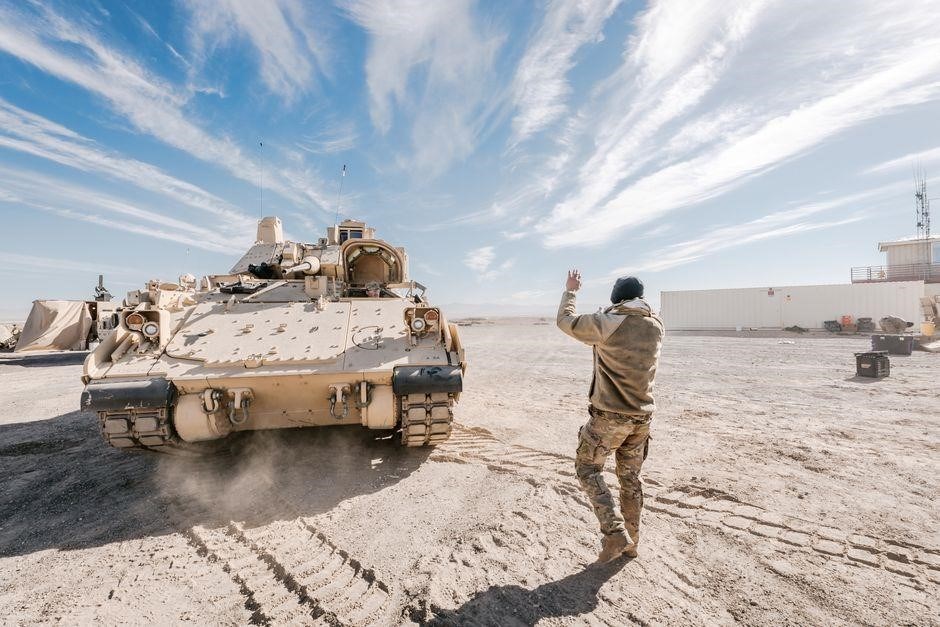
Firecraft: Building and Maintaining Fire in the Field
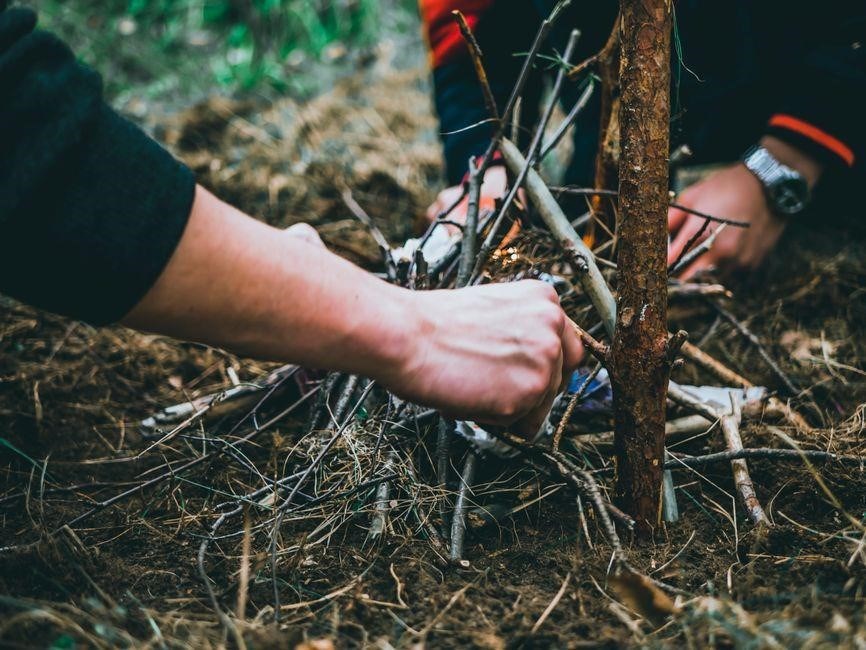
FM 21‑76 presents a structured firecraft doctrine that integrates ignition, fuel selection, and fire maintenance. Soldiers learn to build three primary fire systems: the teepee, the lean‑to, and the log‑pile. Each system is described with step‑by‑step diagrams and material lists, emphasizing the use of dry tinder, kindling, and bulk fuel. The manual stresses the importance of a windbreak, recommending the use of natural ridges or constructed berms to shield the flame.
Ignition techniques are divided into mechanical and chemical methods. Mechanical methods include the bow drill, hand drill, and fire piston, with detailed torque and friction guidelines. Chemical methods cover the use of ferrocerium rods, magnesium strips, and commercial fire starters, each accompanied by safety precautions and recommended storage locations. Soldiers are instructed to test each ignition device in dry conditions before deployment.
Fuel management is addressed through the “fuel ladder” concept, which prioritizes material size to sustain a steady burn. The manual includes a table of local vegetation types and their combustion properties, allowing units to adapt to arid, temperate, or wet environments. Fire maintenance drills require soldiers to monitor flame intensity, adjust airflow, and add fuel incrementally to avoid flare‑ups.
Safety protocols are paramount. FM 21‑76 mandates a 20‑meter clearance zone, the use of fire blankets, and a designated fire watch. The manual also provides a “fire‑risk assessment” checklist that evaluates terrain, wind, and humidity before ignition. Training modules such as “Field Firecraft” and “Emergency Fire Suppression” reinforce these concepts through live exercises and after‑action reviews.
Environmental stewardship is emphasized; soldiers are taught to use fire only where necessary, to leave no trace, and to extinguish fully with water or soil. The manual includes a “Leave No Trace” checklist and a guide to using fire for signaling, cooking, and warmth while minimizing ecological impact.
After each firecraft exercise, units conduct a debrief that records lessons learned, evaluates equipment performance, and updates the unit firecraft log. FM 21‑76 recommends a quarterly firecraft refresher course for all personnel, ensuring proficiency in both basic and advanced ignition techniques.
FM 21‑76 also details the “fire‑starter kit”—tinder, kindling, and a ferrocerium rod—packed in a waterproof pouch. Soldiers carry this kit on their belt for rapid deployment.
Guidelines for extreme conditions—high wind, low humidity—include adjusting airflow, using windbreaks, and choosing fuel that sustains a controlled burn.
All firecraft training is logged in the firecraft logbook accountability!
Shelter Construction: Protecting Against Elements
FM 21‑76 details three core shelter types—lean‑to, debris hut, and canvas bivouac—each chosen for terrain, weather, and mission length. The lean‑to uses a single wall of natural or man‑made material anchored to a tree or rock, while the debris hut relies on packed earth, leaves, and bark to create an insulated dome. The canvas bivouac employs a lightweight tarp, a pole, and a rope for rapid deployment. Soldiers are taught to select a site that offers wind protection, a flat or low‑lying area for debris huts, and a ridge for lean‑to shelters. The manual stresses clearing a 3 m × 3 m footprint, removing flammable debris, and using natural windbreaks such as fallen logs or rock outcrops to shield the structure.
Construction begins with material procurement. For lean‑to walls, soldiers gather dry branches, bark, and leaves; for debris huts, packed earth and layered vegetation provide thermal mass; for canvas bivouacs, a 3 m × 3 m tarp, a 2 m pole, and a tension rope are essential. Insulation follows the “fuel ladder” concept: a 30 cm layer of packed earth and a 15 cm layer of leaves for debris huts, a leaf or bark floor for lean‑to shelters, and a vented tarp with a small apex opening for canvas bivouacs. Soldiers seal gaps with leaves, bark, or plastic sheets to keep rain out while allowing airflow.
Fire safety is integral to shelter design. FM 21‑76 mandates a 5 m clearance from any open flame, a fire watch, and a “shelter fire‑risk assessment” checklist that evaluates wind, humidity, and fuel availability before ignition. After each exercise, units record construction time, material usage, and environmental conditions in the field log for future reference. The manual also includes a “rapid shelter construction” drill that trains soldiers to erect a functional lean‑to or debris hut in under 15 minutes, ensuring readiness in combat scenarios.
Training modules such as “Field Shelter Maintenance” reinforce these concepts through hands‑on drills and quarterly refresher courses. Soldiers learn to maintain structural integrity, manage insulation, and adapt shelters to changing weather. The manual’s emphasis on rapid deployment, material efficiency, and fire safety equips troops with the skills to protect themselves against the elements while preserving operational effectiveness.
Fieldcraft: Camouflage and Concealment Tactics
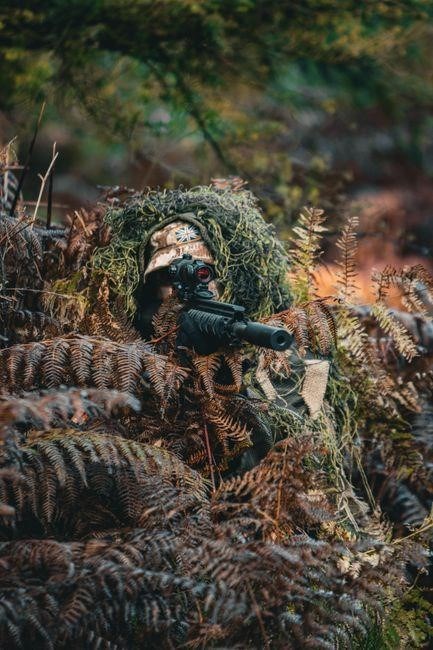
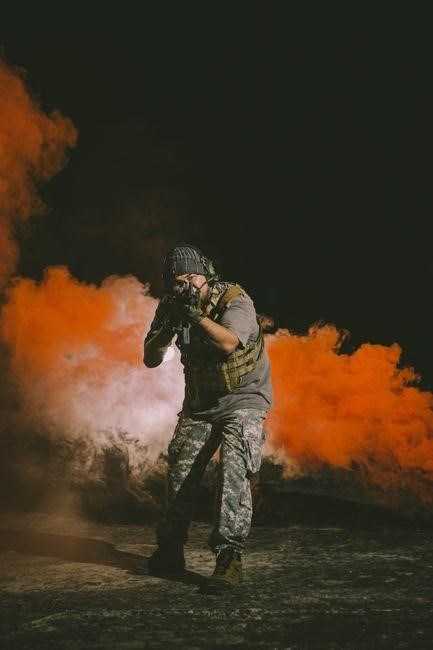
FM 21‑76 emphasizes the integration of natural and synthetic materials to disrupt visual, infrared, and acoustic signatures. Soldiers learn to assess terrain, weather, and enemy sensor capabilities before selecting a concealment strategy. The manual introduces the “three‑layer camouflage system”: a base layer of foliage or drapery, a mid‑layer of field‑fabric or netting, and a top layer of adaptive paint or disruptive patterning. Fieldcraft drills include “shadow matching,” where troops align their silhouette with the prevailing light angle, and “thermal masking,” using wet foliage or reflective surfaces to reduce infrared contrast. The guide also covers “auditory masking,” employing windbreaks, water flow, and noise‑generating devices to obscure footsteps. Soldiers practice “movement discipline,” maintaining low posture, minimizing friction, and using natural cover to break line of sight. FM 21‑76 provides a “concealment checklist” that evaluates color match, texture, and density for each environment, from dense jungle to arid desert. Training modules stress the importance of “adaptive camouflage,” where uniforms are modified with local plant fibers or synthetic dyes to blend into the immediate surroundings. The manual concludes with a “fieldcraft evaluation” protocol, requiring units to conduct after‑action reviews of concealment effectiveness, enemy detection reports, and environmental changes. Mastery of these tactics enhances survivability, mission success, and operational security. Fieldcraft proficiency is the cornerstone ensuring that soldiers remain unseen and unheard until the decisive moment now today.
Wilderness Survival Skills for Tropical Environments
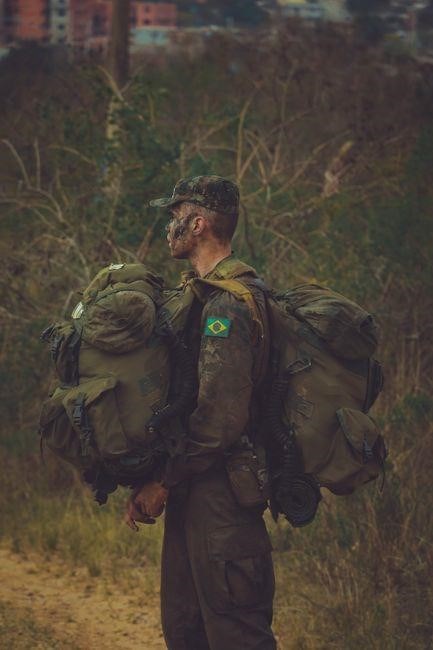
FM 21‑76 outlines a systematic approach to thriving in humid, dense, and often pathogen‑rich tropical zones. The manual begins with terrain assessment, urging soldiers to identify water sources, canopy density, and potential vector habitats. Next, it details water procurement techniques such as condensation traps, rain‑catching canisters, and purification via boiling, charcoal filtration, or chemical tablets, noting the high bacterial load in stagnant pools. Firecraft instructions emphasize using dry tinder from leaf litter, bark, and resin, and employing friction methods like the bow drill, adapted for damp conditions. shelter construction focuses on elevated platforms to avoid flooding and insect intrusion, using woven bamboo or palm fronds for roofing, and incorporating mosquito nets treated with permethrin. Foraging guidance lists edible palms, roots, and fruit, cautioning against toxic species; it also covers hunting small mammals and reptiles with improvised traps. Fieldcraft stresses camouflage using natural foliage, creating a “green veil” with leaves and moss, and employing scent masking by covering gear with plant resin. Medical care addresses tropical diseases, emphasizing rapid treatment of bites, the use of antimalarial prophylaxis, and the importance of maintaining hydration to prevent heat stroke; The manual concludes with an evacuation plan that prioritizes river crossings, aerial extraction points, and the use of local knowledge to navigate dense jungles. Mastery of these protocols ensures operational effectiveness and survival in the most challenging tropical theaters.!!!
Wilderness Survival Skills for Arctic Environments
FM 21‑76 provides a comprehensive framework for operating in polar climates, where extreme cold, wind, and limited visibility dominate. The manual begins with terrain reconnaissance, instructing soldiers to map snow depth, ice stability, and potential crevasse zones using a compass and GPS. It then details thermal protection, recommending layered clothing, insulated boots, and the use of windbreakers to reduce convective heat loss. Firecraft is adapted for low‑oxygen conditions; the guide recommends using dry tinder from pine needles, bark, and synthetic fibers, and employing a fire‑starter that can ignite in sub‑freezing temperatures. Water procurement focuses on melting snow and ice, with instructions on efficient melting techniques that conserve fuel. Shelter construction emphasizes snow caves and igloo‑style structures, providing insulation and protection from wind chill. The manual also covers foraging for lichens, moss, and limited edible fauna, and the use of sleds to transport supplies. Medical care addresses hypothermia, frostbite, and the importance of maintaining body heat through metabolic activity. Finally, the guide outlines evacuation routes, highlighting the use of ski‑mobiles, helicopters, and the importance of pre‑planned rendezvous points in the vast, featureless tundra. Mastery of these techniques ensures survival and mission success in the harsh Arctic environment. Training in these conditions is critical for mission readiness. daily. !
Urban Survival Adaptations
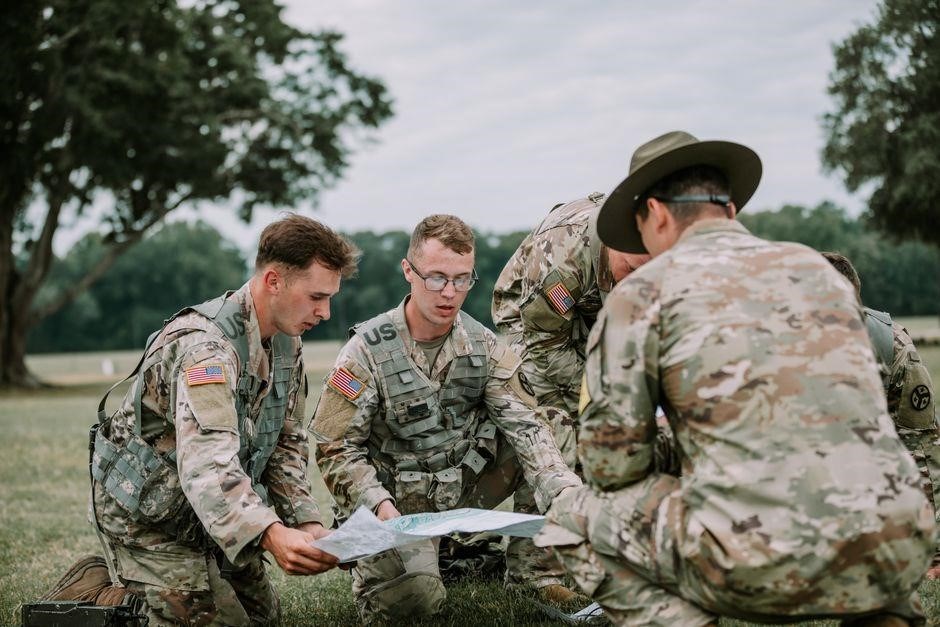
FM 21‑76 adapts core survival principles to the built environment, emphasizing stealth, resourcefulness, and rapid extraction. Soldiers learn to evaluate building layouts, identify structural weak points, and exploit stairwells, basements, and utility corridors for concealment. The manual stresses the importance of sound discipline: maintaining a low profile, using hand signals, and minimizing visual and audible cues. It teaches improvised weapons from everyday objects—chairs, fire extinguishers, and metal pipes—while highlighting the legal and tactical implications of lethal force. Urban navigation relies on street grids, building footprints, and digital maps; FM 21‑76 recommends using portable GPS units and pre‑loaded city maps for route planning. Water and food are sourced from municipal supplies, bottled water, and edible plants in vacant lots; purification methods include charcoal filters and iodine tablets. Firecraft is modified for confined spaces, using battery‑powered lighters and fire‑resistant blankets. Shelter is achieved through temporary barricades, duct tape, and improvised walls. Medical care focuses on blast injuries, gunshot wounds, and chemical exposure, with field kits tailored to urban hazards. Evacuation plans involve identifying nearest exits, using smoke screens, and coordinating with support units. Continuous training in urban drills ensures readiness for combat, hostage rescue, and disaster response. The manual’s urban chapter equips soldiers with the skills to survive, adapt, and succeed in hostile cityscapes. The guide also addresses psychological resilience, teaching soldiers to manage stress, maintain situational awareness, and use mental rehearsals to prepare for high‑intensity scenarios. It outlines protocols for securing communication lines, exploiting civilian infrastructure for cover, and leveraging public utilities for power. Additionally, FM 21‑76 includes a section on environmental hazards such as asbestos, lead paint, and mold, providing decontamination procedures and protective gear recommendations. Finally, the manual emphasizes the importance of after‑action reviews, encouraging soldiers to debrief and refine tactics based on real‑world urban engagements. Training exercises recommended by FM 21‑76 include night‑time patrols, simulated ambushes, and coordinated extraction drills that integrate air support and ground forces. By mastering these urban survival adaptations, soldiers can maintain operational effectiveness even when conventional lines of sight and supply are compromised. These practices ensure superiority in urban theaters now!
Supplementary Resources: Training Guides and Reference Editions
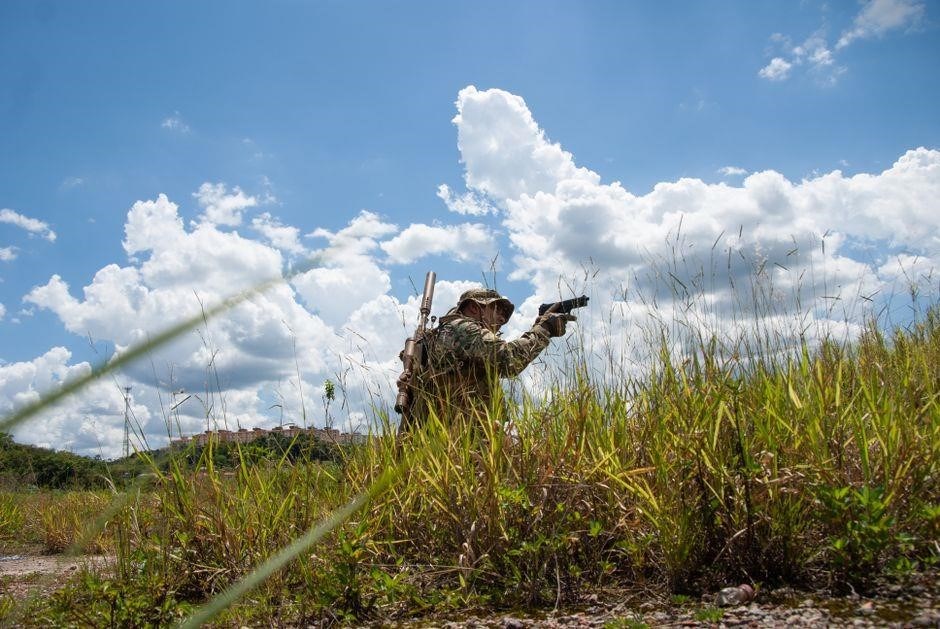
FM 21‑76 is supported by a suite of reference editions and training guides that deepen tactical proficiency. The Official U.S. Army Survival Guide – Updated Edition (FM 3‑05.70 / FM 21‑76) offers a 600‑page unabridged compendium, integrating field‑tested techniques with contemporary threat analysis. Supplementary manuals such as FM 21‑77 “Evasion and Escape” provide specialized tactics for hostile environments, while the “Survival Field Manual” series includes annotated maps, water‑purification tables, and fire‑craft diagrams. Digital resources, including the Army’s Tactical Training System (ATS) modules, deliver interactive scenarios that simulate urban ambushes, river crossings, and high‑altitude survival. The Army Field Manual (FM) Reference Edition, published by the Carlile Military Library, compiles historical context, doctrinal updates, and cross‑references to other FM series. Training aids—such as the “Field Survival Kit” (FSK) and the “Rapid Shelter” kit—are detailed in the supplemental appendices, providing step‑by‑step instructions for constructing improvised shelters, purifying water, and treating wounds. The Army’s “Survival, Evasion, Resistance, and Escape” (SERE) curriculum, aligned with FM 21‑76, offers immersive courses that test soldiers’ decision‑making under duress. For advanced practitioners, the “Advanced Survival Techniques” (AST) handbook expands on high‑altitude oxygen management, desert navigation, and chemical decontamination. All resources are cross‑referenced to the FM 21‑76 core, ensuring that soldiers can locate the relevant procedures quickly during field operations. The Army’s online portal hosts downloadable PDFs, video tutorials, and a searchable database of survival scenarios, making continual learning accessible to units worldwide. These resources are continually refined, integrating field feedback, new technologies, and evolving threat landscapes to keep soldiers prepared.
Leave a Reply